Notice: Function _load_textdomain_just_in_time was called incorrectly. Translation loading for the wp-captcha domain was triggered too early. This is usually an indicator for some code in the plugin or theme running too early. Translations should be loaded at the init action or later. Please see Debugging in WordPress for more information. (This message was added in version 6.7.0.) in /www/wwwroot/upnews360.in/wp-includes/functions.php on line 6260
Uttar Pradesh News Portal -
Categories
Technology

Top 10 Best VPN in India 2024: Our Top Picks Works in Budget

What is VPN?

Top 10 Best VPN in India: VPNs or Virtual Private Networks are useful tools to have in your networking arsenal. They allow you to browse safely on shady WiFi networks, access blocked content on the web, and very importantly, keep your identity protected online. So in this article we shared Top 10 best VPN in India for 2024 online.

iOS provides built-in security features to protect your identity, data, and location, but it lacks the basic features of a VPN. Pairing a good VPN with iOS’ security suite provides protection for your device.

Top 10 Best VPN in India 2024

VPN for IOS

There are plenty of VPNs available for the IOS, but which one is the best to be used that will protect your privacy and has zero-log policies, is an important question. There are a lot of free VPNs available, but they are hardly reliable as they keep some logging, thereby compromising your security. Therefore, it is always advisable to go for those which are reliable, economical, and convenient to be used. So via this article we try to shared our Top 10 best VPN in India recommendation.

iOS offers advanced protection mechanisms implemented to secure your identification, data and location. Yet it lacks the standard functionality of a VPN, such as masking the IP address to bypass geoblocks. Pairing a premium VPN with an iOS security suite could provide your iPhone with unbreakable protection. Apple’s iPhone is known for being a handheld which is relatively safe and secured.

However, as with other iOS apps, it also faces security and privacy concerns-especially in the current environment of hacking and data breaches. A VPN comes in handy here. Not only does an iOS VPN guarantee data protection by keeping you from being watched by regulators and your Internet Service Provider (ISP), it can also boost public WiFi connectivity and help you navigate blocked websites at your location.

List of Top 10 Best VPN in India 2024

Here we shared list of Top 10 best VPN in India for 2024, Hope you read carefully mentioned below:

  1. NordVPN
  2. ExpressVPN
  3. IPVanish
  4. SurfShark
  5. CyberGhost
  6. Hotspot Shield
  7. Private Internet Access
  8. Windscribe
  9. ProtonVPN
  10. TunnelBear

Now, We explain all the above listed best VPN as below:

  1. NordVPN

This is one of the best VPN providers. It is an easy-to-use iOS app with great value for your money. You can protect your privacy using military-grade encryption along with fast speed and P2P. NordVPN provides a seriously secure, privacy-focused experience. It operates a network of 5,390+ high-speed servers in 60+ countries with its specialized servers.

NordVPN detects the server you need to bypass a block and is fast enough to stream in HD and 4K. While it too offers AES-256 as standard, NordVPN also has the option to turn on its Double VPN system where all the user’s internet traffic is encrypted not once, but twice. Its advanced obfuscation settings let you bypass censorship without being detected. It offers tons of great security features and a kill switch. The disadvantage of this provider is that it does not have phone support and its torrenting is supported on selected servers. The user experience can be improved for a beter user experience.

Website is https://nordvpn.com.

  1. ExpressVPN

It is one of the most popular user-friendly iOS apps. It provides specialized services for streaming and torrenting. So, if you love enjoying Netflix and Hulu, then this VPN is perfect for you. It operates 3,000+ servers in 160 locations and provides unlimited, lightning-fast connections that are perfect for streaming in HD and 4K without buffering.

ExpressVPN’s fantastic apps, ease of use, superb speeds, excellent 24/7 customer-service support, and wide compatibility across devices makes it one of the best VPN providers. The one-click connection makes it simple to use. Just log in and click connect, and the app will do the rest. One of the most exciting feature is that it has begun rolling out its very own Lightway protocol that seeks to increase speed and reliability.

Some of the cons of this provider are that there is no kill switch for ios and that this is one of the expensive VPN services without a free trial.

  1. IPVanish

This is a US-based provider which is popularly known for its high speed. Though it is useful for browsing and streaming online, it can’t unblock Netflix on a few servers. It has a high-speed network of 1,300+ servers across 75+ locations. IPVanish is a popular ios app that offers 3D touch support and automatic WiFi protection.

It has a zero-logging policy and offers an automatic kill switch. IPVanish works on lots of devices, including Mac, Windows, Android and iOS. With customer support available 24*7 via the website, it offers a 7-day money-back guarantee on all its services. IPVanish has the speeds and security smarts (AES-256 encryption, kill switch, DNS and IPv6 leak protection) to fit the bill as a great choice for the privacy conscious.

Some of the hindrances in using this is that not all of its servers efficiently block Netflix, it requires a complex interface and a b=new, upgraded set of protocols are

  1. SurfShark

Although being a newcomer in the VPN industry, it has quickly gained a lot of attention from customers. This is because of its incredible speed and military-grade security at a low cost. They have more than 1040+ servers in 61+ countries. One unique feature of this provider is that it offers unlimited simultaneous connections, which means you can protect all of your devices with just one account.

This British Virgin Islands-based VPN comes with an unbeatable price and is a dream to be used. It is connected to apps for plenty of devices including Android, iOS, Windows, Mac, and Linux. The iOS app has an automatic kill switch and DNS leak protection to safeguard your data. CleanWeb, which is its built-in security suite, blocks ads, trackers, and malware. SurfShark is regarded as the fast, affordable and super easy to use mobile provider. Besides its spectacular features, SurfShark has limited P2P servers and has a low torrenting speed.

  1. CyberGhost

This is also one of the most capable and powerful VPN providers that can hide your identity online. This VPN calls itself a “truly complete VPN solution“. Its network includes 6,000+ high-speed servers in 90+ countries. To maintain your privacy, you don’t need to provide your real name.

You can start using this VPN provider by giving your email address, and you can pay in Bitcoin to remain nearly anonymous.Along with the value for money, the ios app comes with an automatic kill switch and one-click Best Location feature which automatically connects you to the fastest server based on your location. CyberGhost has a feature-loaded, user-friendly interface, with convenient buttons in the Windows client software for streaming media, torrenting files, protecting your Wi-Fi transmissions and evading censorship. It comes with a built-in ad blocker and has a strict no-logs policy.

Although popular, CyberGhost is not the fastest VPN. It has limited payment options and only live chat and email are available in case of any issue.

6. Hotspot Shield

The Hotspot Shield is one of the massively improved VPN services that comes with the fastest speed. Though popularly known for its free VPN service, it also offers a fully-featured paid-for VPN that is surprisingly amazing.

The Hotspot Shield provides full access to 1,800+ servers in more than 80 countries, support for connecting up to 5 devices, 24/ 7 support, and, of course, absolutely no ads at all. The Hotspot Shield’s proprietary Catapult Hydra protocol delivers to deliver some of the fastest and most consistent download speeds.

Speeds remain high in some of the most distant locations, too which makes it suitable for streaming. Hotspot Shield works best on Windows, Mac, Android, iOS, Linux. Besides its speed, affordable price, and easy to use the system, this VPN is not so mobile-friendly and no manual setup is available on routers.

7. Private Internet Access

This is a basic cover VPN service that is available at an affordable rate. Private Internet Access is known and appreciated for its reliability and dedication to privacy. One of the most notable features of this VPN is a huge increase in Private Internet Access’s server count. It offers a healthy mix of privacy features and security protocols (including WireGuard).

The VPN also has dedicated apps for Windows, Mac, Android, and iOS which do not disappoint whether you are at home or out. PIA offers 10 simultaneous connections which should be plenty to cover your household’s devices on one plan, and the introduction of WireGuard has seen speeds get a boost. Although Private Internet Access may not be the fastest, cheapest, or most powerful VPN, it definitely is the most likable VPN provider.

The only con for this is that has an inconsistent speed and the support access could have been a bit better.

8. Windscribe

With unlimited connections with a free service, this VPN provider offers the most reliable VPN service which keeps on improving. Not just an excellent free service, Windscribe provides a fairly-priced paid service that delivers unlimited data and lets you connect as many devices at once as you like.

It is compatible with many platforms such as routers and Amazon Fire and Kodi TV set-top boxes. The network has locations in 110 cities spread across more than 60 countries. One of the features which stands out this provider is its Google Chrome extension. For using Windscribe you do not have to sign up by giving your name or email id.

You can simply pay for a Windscribe subscription with Bitcoin and enjoy using the VPN services. The only feature lacking is a kill switch to stop all internet activity if the VPN connection is lost while in use.

9. ProtonVPN

This is a good VPN provider which is known for its streaming and security prowess. One of the features which makes this feature stand out so much is its unblocking the catalogues of TV streaming services when abroad.

It works perfectly on Windows, Mac, Android, iOS, Linux. ProtonVPN is based in Switzerland and offers really stylish apps that are a joy to use and are enhanced by working kill switches and desktop-like features. For using ProtonVPN you do not have to sign up by giving your name or email id. You can simply pay for a Windscribe subscription with Bitcoin and enjoy using the VPN services.

It supports various high-quality apps and unblocks streaming services. With loads of features, the VPN provider comes with a trial so the users can try the free option before use.

10. TunnelBear

This is a great option for for total VPN newbies and technophobes. For those who are a bit intimated by the concept of a VPN provider, TunnelBear is a great option. Initially one can start with a limited free plan and later upgrade to the full service which gives access to over 1,000 servers in around 20 countries.

This VPN provider is nothing different than the rest of the providers, but it provides plenty of appealing aspects to help it stand out from the crowd. It has a suitable network performance with comprehensive privacy policy and regular audits. This VPN provider offers excellent security guarantees and is extremely user-friendly.

TunnelBear is a Canadian-based VPN service which prioritizes its users’ privacy and security over anything. Besides all this, this VPN provider is not so recommendable for streamers and also has way too less features as compared to the other VPN providers.

Why should you use VPN?

  • To protect yourself online by hiding your data
  • Hide your IP Address
  • To encrypt data transferred between your host and you.
  • Accessing a website from a different location. In other words “to open Websites that are blocked by service providers”
    ie: Netflix, Amazon Prime
  • To Play games (Ring of Elysium, Call of duty and etc)

Frequently Asked Questions

  • Which free VPN best for Android?

Ans: There is many free best VPN available but we suggest you can try with NordVPN once.

  • Do VPN apps really work?

Ans: As we describe there are many VPNs available but among them actually really some VPNs are safe.

  • Which browsers have built in VPN?

Ans: You can try Tenta Browser for in built VPN.

  • Can VPN hack your phone?

Ans: Actually if we talk in General don’t use Free VPN in your Phone.

  • Is using a VPN illegal?

Ans: No, but the law is different from country to country so make sure you know law in your country.

  • Can you be tracked if you use VPN?

Ans: In some VPNS you will be track while in other don’t.

  • Does Windows 10 have a VPN?

Ans: Yes, Windows 10 has a built in VPN. But for that you have to follow step by step guide for that.

  • Why does Netflix ban VPN?

Ans: However, some VPNSs are working good with Netflix, while sometime it will ban.

  • Are free VPN safe?

Ans: Yes, But we don’t suggest relay on free VPN.

  • Is using VPN safe in India?

Ans: Yes, but make sure you don’t doing any illegal activity through VPN.

  • Which is the Top 10 best VPN in 2024 in India?

Ans: We suggest ExpressVPN as best VPN in India 2024

Conclusion

In today’s world cyber crime has reached its peak. Almost, everyone is under the threat of being trapped into this and being a victim of such crime. So, why not be the one to stop it and take an initiative from your side. You can install these VPN apps and secure your devices. Moreover, you should even advise your friends and family to download these best VPN apps and explain their benefits.  These apps will not only save you but also everyone related to you.

Besides, protecting your connections also saves you from the problem of buffering that you face while watching any videos or downloading any music or movies. Now you can do all these without facing the problem of buffering. Just downloading any one of these apps will solve a lot of problems for you and protect you from unnecessary hassles.

VPN services should be selected considering the security and speed. The above-mentioned Top 10 best VPN in India 2024 satisfy this criterion. Though paid, the above-mentioned VPNs are highly recommendable, unlike the free ones which are unable to hide your identity and provide strong encryption to make your connection secured.

As per our opinion, the best VPN for IOS is ExpressVPN and NordVPN, which enables you all channels like Netflix, Prime, Hulu and iplayer. Apart from this, it is available on iOS and other operating systems. It is globally used and it costs very reasonable and is a good quality VPN for privacy and streaming.

So you can shared your Reviews about Top 10 Best VPN in India for 2024 online.

NOTE: For any kind of enquiry you can reach out us via contact us page or Visit directly here.

Categories
Business

The Business of Exceptional Service: What Every Industry Can Learn

Service used to be a department. Today it is the business. When products are increasingly similar, prices transparent and competitors a single click away, the experience around the transaction is often the only thing a company truly controls.

The organizations that grow steadily – and command premium prices while doing so – tend to be the ones that treat exceptional service not as a slogan but as a measurable operating discipline. Strip away the industry jargon and the lessons are remarkably transferable, from luxury hotels to hospitals, retailers to restaurants.

Hospitality: Service as Anticipation

Source: getvolo.com

Few sectors study service as rigorously as hospitality, where the goal is to make guests feel genuinely welcomed rather than merely processed. The best hotels do not wait to be asked; they anticipate – a returning guest’s preferred floor, a forgotten phone charger, the early checkout already arranged.

This is the logic behind the famous service-profit chain, which holds that investing in employees produces loyal, productive teams who in turn create satisfied customers and, ultimately, profitable growth. The front desk is not a cost center; it is a revenue engine wearing a different name.

Restaurants: Details Define the Memory

Waiter serving a group of adults enjoying a fine dining experience in an elegant restaurant

Fine dining offers the clearest case study in orchestrated detail. The meal itself matters, but so do the pacing of courses, the timing of water refills and the server who notices a birthday before the cake arrives.

Waiters are empowered to make decisions on the floor rather than constantly seeking approval, because a seamless experience depends on judgment in the moment. Every industry has an equivalent of “the floor” – the moment where a customer’s problem meets an employee’s discretion.

The lesson: give frontline people the authority, training and trust to fix things without a supervisor’s sign-off, and the customer never senses friction at all.

Retail: Empathy Is a Strategy

Store assistant helping a customer choose a shirt in a modern clothing retail store

Retail teaches the value of reading a customer rather than rushing them. A good store associate asks questions, listens to what the shopper actually needs and recommends accordingly – sometimes steering them toward a cheaper, more suitable option.

That apparent sacrifice builds something more durable than a single sale: trust and a customer who returns. Service businesses of every kind should remember that advocacy beats transaction.

Recommending what is genuinely best for the client – even when it costs a little revenue today – compounds into loyalty tomorrow.

Healthcare: Reliability and Reassurance

Doctor and patient engaged in a positive consultation in a bright modern clinic

In healthcare the stakes raise service from nice-to-have to essential. Patients cannot judge the medicine, so they judge the experience: the doctor who listens without glancing at a screen, explains clearly and follows up.

Reliability is the quiet currency of exceptional service everywhere. Doing exactly what you promised, when you promised it, in a way the customer can understand, is the foundation on which every warmer gesture is built.

Personal Services: Discretion as the Product

Some industries sell nothing but the quality of the human interaction itself, where discretion, punctuality and attentiveness are not extras but the entire offer.

High-end personal and concierge services operate on precisely this premise – a client in a demanding city such as Munich expects an experience that is private, respectful and flawlessly arranged, which is why a reputable escort München service invests so heavily in screening, etiquette and genuine care for its clients.

When the deliverable is intangible, reputation becomes the only real asset, and every interaction either strengthens or erodes it.

Relationships Beat Transactions

Close-up of a handshake between business colleagues emphasizing teamwork and relationship building

Look closely and the pattern repeats across every sector.

Exceptional service is what happens when an organization consistently acts as if the relationship matters more than the transaction – in hospitality, healthcare, retail and beyond.

It requires hiring for empathy, training relentlessly, empowering frontline judgment and measuring what customers actually feel rather than what is convenient to count.

That is why genuine service quality has become a strategic moat: it is difficult to copy, and customers remember it long after they have forgotten the price.

Industries that master it do not merely satisfy clients. They turn them into advocates – and that, in any market, is the whole game.

Categories
Blog

6 Best Self-Improvement Books for Productivity and Focus in 2026

Staying productive in 2026 isn’t just about time management, it’s about attention management. With constant notifications, multitasking, and mental overload, focus has become a skill you have to actively train. That’s why the right books still matter.

The self-improvement books for productivity and focus don’t just motivate you for a few hours. They give you systems, mental models, and practical tools you can apply daily.

In this guide, you’ll find five standout books, each offering a different path toward sharper focus and meaningful productivity. Read through, see what resonates, and pick one to start with.

1. A High-Performing Mind by Andrew D. Thompson

This is one of the best self-improvement books and most complete modern guides to productivity through mindset. Instead of focusing only on habits or time management, it builds a foundation for how you think under pressure.

Source: awesomegang.com

The book introduces a structured system based on mental resilience, clarity, and consistent performance. It outlines key attributes and practical tools designed to help you overcome distractions, fear, and self-doubt.

What makes it stand out:

  • Focus on mental strength, not just productivity tactics
  • Step-by-step tools for real-life challenges
  • Strong emphasis on resilience and consistency

This is not just about getting more done. It’s about becoming the kind of person who performs well in any situation. If you want a complete mindset upgrade, this belongs at the top of your list.

2. Deep Work by Cal Newport

This book is often considered essential reading for anyone struggling with distractions. It introduces the concept of “deep work”, periods of intense focus without interruptions.

Newport explains why shallow tasks dominate our days and how they prevent meaningful progress. More importantly, he shows how to reclaim your attention through structured routines and boundaries.

Source: itsmoreofacomment.com

Key takeaways include:

  • Schedule distraction-free work blocks
  • Reduce digital noise aggressively
  • Train your brain to tolerate boredom

What makes this book powerful is its practicality. You’re not just learning theory, you’re building a new way of working. If your biggest challenge is staying focused for long periods, this is a strong starting point.

3. Atomic Habits by James Clear

If consistency is your struggle, this book shifts everything. Instead of relying on motivation, it focuses on building systems that make productivity automatic.

Clear breaks down how tiny habits compound over time. The real value lies in how simple and actionable the framework is. You don’t need drastic changes to see results.

Source: jamesclear.com
Concept What It Means Impact
Habit stacking Link new habits to existing ones Easier consistency
Environment design Shape surroundings to support goals Less friction
Identity shift Become the type of person you want to be Long-term change

The strength of this book is its accessibility. It works whether you’re just starting or refining an existing routine.

4. The One Thing by Gary Keller

This book cuts through the noise with a simple but powerful idea: not everything matters equally. In fact, most things don’t.

Keller focuses on identifying the single most important task that drives results. Instead of juggling priorities, you learn to narrow your focus.

Productivity isn’t about doing more. It’s about doing what matters most.

This mindset can be transformative, especially if you feel overwhelmed. The book teaches you to ask better questions, eliminate distractions, and commit to what truly moves the needle.

If your problem is not lack of effort but lack of direction, this book provides clarity in a way few others do.

5. Essentialism by Greg McKeown

While many books teach you how to do more efficiently, this one challenges you to do less. But in a smarter way.

McKeown introduces essentialism as a disciplined pursuit of less but better. It’s about removing the trivial so you can focus on what truly matters.

Source: thefocuscourse.com
  • Say no more often without guilt
  • Eliminate non-essential commitments
  • Create space for deep, meaningful work

This book is especially valuable if you feel stretched thin. It helps you reclaim control over your time and energy. Instead of reacting to everything, you start choosing intentionally.

6. Indistractable by Nir Eyal

If distractions are your biggest obstacle, this book tackles them head-on. Eyal goes beyond surface-level advice and explores the psychology behind why we get distracted.

He introduces practical techniques to regain control of your attention, including time-boxing and managing internal triggers.

Source: welcometothejungle.com

Did you know?
Many distractions come from internal discomfort, not external interruptions. Learning to manage that discomfort is key to staying focused.

This perspective makes the book stand out. It doesn’t just tell you to eliminate distractions; it helps you understand and manage them.

For anyone constantly pulled away from tasks, this book offers a realistic and modern approach to focus.

Bringing It All Together

Each of these five books approaches productivity from a different angle. Some focus on habits, others on priorities, and others on attention itself.

The key is not to read all of them at once. Start with the one that matches your current challenge. Apply what you learn, even if it’s just one idea.

Real productivity isn’t built overnight. It’s built through consistent, intentional action. And sometimes, the right book is exactly what helps you take that first focused step forward.

Categories
Blog

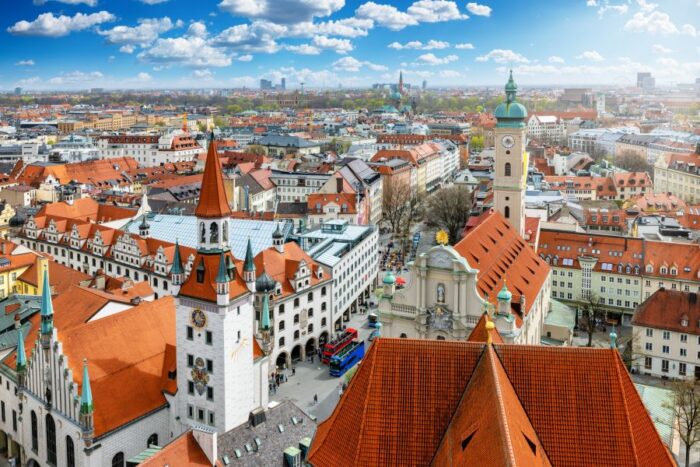
Why Munich Feels Different From the Rest of Germany

Most travel guides to Germany feel like they were written by someone who never missed a train. Efficient, structured, slightly obsessed with telling you what you “should” do. This one does the opposite.

Germany is not a checklist. It’s a series of moods. A train ride that changes tone every two hours. A place where Berlin feels unfinished, Hamburg feels restless, and Munich, somehow, feels like it has already made up its mind.

So instead of telling you where to go first, this guide leans into something simpler. How to notice what’s actually happening around you, and why Germany feels different depending on where you stand.

Stop Planning Germany Like It’s One Country

Source:shutterstock.com

If you approach Germany as a single experience, you’ll miss the point. The country shifts more than most people expect, and not just visually.

In Bavaria, especially around Munich, things feel slower, more settled. People sit longer, conversations stretch, and the rhythm is less about productivity and more about continuity. Beer gardens are not just places to drink, but places to stay. That sense of ease is deeply rooted in local culture and daily life .

In contrast, cities like Berlin feel like they are still negotiating what they are. You don’t need to choose between them. Just stop trying to make them fit into one version of Germany.

Think of Germany less as a country and more as a sequence of different states of mind.

Munich Is Where the Rules Quietly Break

There’s something slightly strange about Munich, though it takes time to notice it. On the surface, everything looks orderly. Clean streets, historic buildings, efficient transport. Nothing feels out of place.

But then you realize the contradiction. It’s both deeply traditional and highly modern at the same time. The city carries centuries of history while functioning as a global, cosmopolitan hub with museums, parks, and a strong economy .

Even the lifestyle reflects this balance. People work hard, but they also step away from work easily. A beer garden afternoon doesn’t feel like a break. It feels like part of the system itself .

And that’s where Munich breaks the usual expectations. It doesn’t force you to choose between old and new. It just lets both exist.

A Small Detour That Says More Than You Expect

Munich
Source:shutterstock.com

There are moments in Munich that don’t show up in standard travel guides, the kind that change the way you understand the city. Sometimes that comes from conversations, sometimes from unexpected experiences.

It’s not unusual for travelers to explore the more private side of the city’s social scene, including services like Louisa Escort, which quietly reflect how Munich blends discretion, luxury, and human connection in ways that feel very different from other German cities.

It’s not about the service itself. It’s about understanding that Munich operates on a level of subtlety most places don’t advertise.

The Real Germany Happens Between Cities

If you only stay in major cities, you’ll see Germany, but you won’t feel it.

The space between places matters just as much. Small towns in Bavaria, lakes, forests, and roads that don’t seem to lead anywhere in particular. These are not side trips. They are part of the main experience.

Bavarian regions offer easy access to nature, from hiking trails to lakeside villages, creating a lifestyle that feels calmer and more grounded than urban Germany .

Here’s what starts to stand out when you slow down:

  • Villages where time feels slightly delayed
  • Cafés where no one rushes you out
  • Landscapes that feel lived in, not curated

The mistake most people make is treating these as optional. They’re not.

How to Move Through Germany Without Rushing It

Germany’s transport system makes it easy to move quickly. That’s both a gift and a trap.

Munich alone has an extensive network of trains, trams, and buses that can take you almost anywhere without effort . But just because you can move fast doesn’t mean you should.

Here’s a simple way to rethink movement:

Travel Style What It Feels Like What You Actually Experience
Fast itinerary Efficient, controlled You see landmarks
Slower pacing Open, flexible You notice behavior
Staying longer Immersive You understand atmosphere

The difference is subtle but important. Germany rewards attention more than speed.

What Most Travel Guides Get Wrong

Most guides focus on landmarks. Castles, museums, famous squares. Those matter, but they’re not what stays with you.

Munich, for example, is often reduced to Oktoberfest or historic buildings. But the city is more about how those elements coexist. A place where you can walk from a baroque palace to a modern museum without feeling a shift in identity .

Even food tells this story. Bavarian cuisine is deeply tied to regional identity, with protected dishes and traditions that reflect local pride rather than trend .

Did you notice this?

Many German cities feel like they are still evolving. Munich feels like it has already decided what it is, and simply continues.

That quiet certainty is what makes it stand apart.

The Unwritten Rules You Should Actually Follow

Instead of memorizing etiquette lists, focus on how people behave. Germany is structured, but not rigid in the way people assume.

A few things become clear once you pay attention:

  • Silence is normal, not awkward
  • Efficiency is respected, but not always rushed
  • Personal space is valued, but not cold

In Munich especially, there’s a balance between discipline and ease. You might see someone strictly following rules one moment, then spending hours relaxing in a park the next.

This duality is not a contradiction. It’s the system working as intended.

Why This Way of Traveling Stays With You

Source: turonworld.uz

If you follow the usual travel advice, Germany will feel organized and impressive. If you ignore some of those rules, it starts to feel human.

You begin to notice things that don’t fit into categories. A city that feels finished but still alive. A culture that values both structure and leisure without conflict.

And Munich sits at the center of that realization. Not because it tries to stand out, but because it doesn’t try at all.

That’s the part most guides miss.

Germany isn’t something you complete. It’s something you gradually understand, often when you stop trying so hard to figure it out.

Categories
Business

How Board Decisions Drive Real Change in Any Organisation

Real change inside any organisation does not start with inspirational slogans or ambitious annual plans. It starts with the board. When board members make clear, well-informed, and timely decisions, the company gains direction, discipline, and a sense of movement. When those decisions are weak, delayed, or disconnected from the organisation’s reality, nothing shifts—no matter how much effort sits in the middle or operational layers.

The concrete truth is simple: board decisions define priorities, allocate resources, and set the guardrails for how leaders and employees act. Every transformation—whether operational efficiency, culture change, market repositioning, or innovation—depends on the board’s ability to make decisions that translate into action.

What follows is a detailed look at exactly how board decisions produce measurable change, why some boards consistently succeed while others struggle, and what mechanisms ensure that strategic choices actually reach the ground floor.

1. Board Decisions Shape Strategic Direction

Board Decisions Shape Strategic Direction
Source: icaew.com

A board’s first and strongest lever is strategic clarity. Most organisations operate in a mix of changing markets, shifting customer expectations, financial pressure, and regulatory obligations. Without a clear strategy approved at the board level, even the best executives cannot align teams.

Strong boards refine strategy around:

  • A clear definition of the organisation’s role in its industry
  • A few high-impact priorities that drive value
  • Realistic investment and cost boundaries
  • Time-based milestones that allow progress measurement

Poorly defined strategies produce slow, unfocused cultures. Effective strategies create alignment across departments and help teams focus energy where it matters most.

How Strategic Decisions Translate Into Real Outcomes

Board-Level Decision Organisational Impact Observable Change
Setting 3–5 strategic priorities Leaders shift resources and redesign processes Faster progress on fewer, clearer initiatives
Approving investment in innovation Product teams receive funding for R&D New offerings or improved customer experience
Choosing a market repositioning Marketing + sales messaging becomes unified Better traction with target segments
Establishing ESG goals Procurement, HR, and operations adjust policies Sustainability metrics improve

Even the clearest strategy, however, is only valuable when supported by disciplined decision-making in other areas.

2. Governance Decisions Create Accountability and Consistency

Boards also shape culture through governance: the systems, rules, and expectations that define how decisions get made and who is responsible for what. Governance is often invisible to employees, but its effects are everywhere.

Good governance provides clarity.

Weak governance produces chaos.

Consider several governance structures that determine whether change actually sticks:

  • Decision-making pathways – who approves what, and on what timeline
  • Delegation levels – how much freedom executives and managers have
  • Performance measurement systems – how progress is tracked
  • Risk frameworks – how to operate with confidence without crossing red lines

When governance is consistent, employees trust decisions. When governance is unpredictable, implementation slows because people wait for clarity that never arrives.

Example Scenario

A board introduces a new digital transformation agenda.
If governance is strong:

  • Executives know exactly which decisions they can make independently.
  • Progress is tracked monthly.
  • Risks are escalated quickly.
  • Resource needs are approved without friction.

If governance is weak:

  • Teams pause for approvals that never come.
  • Departments pursue conflicting digital tools.
  • Costs rise without results.
  • Change dies before it begins.

3. Resource Allocation Decisions Are the Fastest Way to Create Change

Resource Allocation Decisions

Executives can have brilliant ideas, employees can have strong motivation, and customers can be ready—but nothing changes until money, time, and people align behind the decision.

Boards control:

  • Capital investments
  • Budget priorities
  • Executive hiring and organisational structure
  • Major technological purchases
  • Long-term financial planning

This is why resource allocation is the most direct board decision that reshapes reality.

Eamples of Resource Allocation That Drive Transformation

Board Choice Real-World Change Triggered
Funding automation projects Operations reduce manual workload, improving accuracy
Redirecting budget toward customer insights Marketing becomes data-driven rather than intuition-based
Approving leadership restructuring Teams gain stronger guidance and faster escalation paths
Investing in new technology platforms Integrated workflows replace fragmented legacy systems

Boards that hesitate to invest create cultures of fear and stagnation. Boards that invest carelessly create waste and confusion. Boards that invest strategically unlock measurable value.

4. People Decisions Signal the Direction of the Entire Organisation

Boards make decisions about CEOs, senior executives, compensation frameworks, culture expectations, and leadership models. These decisions have enormous downstream effects.

  • When a board hires a CEO who prioritises customer value, the company becomes customer-focused.
  • When a board hires a CEO who prioritises cost, the culture becomes efficiency-driven.
  • When a board rewards collaboration, silos break down.
  • When a board tolerates poor communication, teams mirror that behaviour.

People decisions matter because employees watch leadership closely and take cues from their behaviour.

Key People Decisions Boards Make

  • Selecting or replacing the CEO
  • Evaluating executive performance
  • Approving cultural transformation initiatives
  • Setting compensation incentives
  • Defining tone-from-the-top communication style

Culture flows downward, and the board—in many ways—is the source.

5. Risk Decisions Allow Organisations to Move Without Constant Fear

Risk Decisions
Risk Decisions

One of the most underestimated functions of a board is creating a safe environment for calculated risk-taking.

Companies that innovate do so because boards tolerate experimentation, learning, and temporary setbacks.
Companies that stagnate do so because every risk feels like a potential failure.

Boards shape risk culture by:

  • Approving clear thresholds for acceptable risk
  • Creating escalation pathways
  • Ensuring proper compliance and audit processes
  • Supporting management publicly when projects take time to mature

A board that expects flawless performance unintentionally kills innovation.
A board that accepts thoughtful risk-taking accelerates transformation.

6. Communication Decisions Turn Strategy Into Shared Understanding

Even perfect decisions fail without clear communication.
Boards influence communication through:

  • The clarity of board minutes
  • The expectations they set for CEO communication
  • The transparency they demand across reporting structures

Employees trust change when they understand it.

They resist change when messages are vague, conflicting, or filtered through multiple layers.

Boards that insist on plain, consistent communication build alignment faster and with less resistance.

7. How Boards Monitor Impact and Maintain Momentum

Effective boards do not make decisions and walk away. They follow a systematic process to verify that change is happening.

Table: How Boards Track Change Over Time

Monitoring Method Description Outcome
KPI dashboards Quantitative measures tied to strategy Detects early signs of progress or trouble
Monthly/quarterly executive reporting Leaders update on milestones and obstacles Ensures accountability
Surveys and culture measurements Employee feedback, turnover trends Shows whether culture is shifting
Independent evaluations Audits, external reviews Provides objective insight

Boards that track properly can redirect or accelerate efforts when needed, ensuring the organisation doesn’t drift.

8. Real Change Requires Boards to Stay Connected to Operational Reality

A board that acts from outdated information or surface-level reports cannot create meaningful change. The best boards maintain a realistic view through:

  • Site visits
  • Direct conversations with frontline teams
  • External stakeholder feedback
  • Regular market and competitor reviews
  • Independent data validation

This gives boards insight that is richer than PowerPoint slides or quarterly summaries.

It also prevents “boardroom isolation,” one of the biggest threats to relevance and long-term performance.

Where Industry Insights Support Board Decision-Making

Board Decision-Making

Modern boards increasingly rely on external research, governance commentary, and case studies to refine their decision-making frameworks. Industry reports, leadership analyses, and governance-focused publications help directors track emerging risks, regulatory shifts, and best practices.

A helpful resource many governance professionals follow is Ned Capital News, which provides insights on board behaviour, director responsibilities, and the evolving expectations placed on non-executive leaders. Publications like these often help boards benchmark their own decision processes and stay aligned with broader governance standards.

Conclusion

Real organisational change is not a mystery. It is not luck, personality, or timing. It is the direct result of board decisions that are:

  • Clear
  • Prioritised
  • Resourced
  • Communicated
  • Monitored
  • Grounded in reality

Boards that act decisively transform companies. Boards that avoid decision-making trap their organisations in cycles of slow progress, unclear goals, and lost opportunities.

When the board sets the tone, invests properly, supports leadership, and monitors progress with discipline, change becomes not just possible—but inevitable.

If an organisation wants real transformation, the journey begins at the top, with a board ready to make decisions that genuinely shape the future.

Categories
Blog

Walking Tour of Munich Old Town With Main Attractions

Munich’s Old Town is the compact, walkable center where Gothic churches, royal palaces, and beer halls all live side by side.

Doing it on foot is the most rewarding way to see it, because the main attractions are so close to each other that every corner feels like a new discovery.

For visitors, the question isn’t what to see but how to organize the walk so that it flows naturally.

1. Marienplatz: The Heart of Munich

Source: expedia.co.uk

Your walk begins at Marienplatz, the city’s main square. The New Town Hall dominates the space, and crowds gather daily for the Glockenspiel at 11 a.m. and noon. Watching the mechanical knights joust and dancers twirl is a Munich ritual.

On one side stands St. Peter’s Church, the oldest parish church in town. Climbing its tower rewards you with panoramic views across the rooftops, with the Alps sometimes visible in the distance.

Tip: if you plan to take photos, arrive early. The square fills quickly, especially in summer and during Advent when the Christmas market transforms it into a glowing stage.

2. Frauenkirche and the City Streets Around It

A short walk brings you to Frauenkirche, the Cathedral of Our Dear Lady. Its onion-domed towers are the symbol of Munich, seen on postcards and city logos alike.

Inside, Gothic austerity meets surprising details like the famous “Devil’s Footstep,” a dark imprint on the floor that has fueled centuries of legends.

This district also reveals Munich’s mix of tradition and modern cosmopolitanism. Tucked among boutiques and cafés are more discreet venues for refined leisure.

In this part of town, services like escort service München fit naturally into the city’s upscale character, showing that Munich doesn’t only preserve history but also caters to contemporary tastes and lifestyles.

3. Viktualienmarkt: Munich’s Daily Feast

Source: timeout.com

If Marienplatz is the historic heart, Viktualienmarkt is the culinary one. Just steps away, this open-air market is alive with colors, smells, and flavors. Locals shop here daily, but visitors are welcome to taste their way through Bavaria.

Highlights worth stopping for:

  • Fresh pretzels paired with creamy Obatzda (cheese spread).
  • Seasonal fruits and vegetables that change with the months.
  • A central beer garden where breweries rotate weekly, letting you sample different Munich labels.

The market is best enjoyed slowly. Wander between stalls, grab a plate of Weißwurst, and soak in the atmosphere of a tradition that feels timeless yet constantly alive.

4. The Residenz Palace and Odeonsplatz

Heading north, the Munich Residenz opens a new chapter. Once the royal palace of Bavarian rulers, it now holds a museum complex that can easily absorb a couple of hours. The Antiquarium, with its endless vaulted ceiling painted in Renaissance style, is among the most breathtaking halls in Europe.

Right outside lies Odeonsplatz, framed by the bright yellow Theatinerkirche and the imposing Feldherrnhalle. The square feels grand, built for royal parades, yet today it often echoes with live music and cultural festivals.

If you’re short on time, even strolling the courtyards of the Residenz is worth it, giving a taste of royal Munich without a full museum visit.

5. Hofbräuhaus: Bavaria’s Living Room

Source: munich.travel

No walking tour skips the Hofbräuhaus, Munich’s most famous beer hall. Inside, it’s always buzzing with music, clinking mugs, and the smell of roasted pork knuckle. Sitting at a communal table, you’ll likely end up chatting with strangers — it’s part of the experience.

Why it matters:

  • It has been around since 1589, founded by Duke Wilhelm V.
  • Legendary figures like Mozart and even Lenin once drank here.
  • It remains a cultural icon, blending locals and visitors in a lively setting.

Sure, it’s crowded and a bit touristy, but the Hofbräuhaus embodies Munich’s spirit better than any guidebook description ever could.

6. Asamkirche and Sendlinger Straße

South of Marienplatz, the Asamkirche looks modest from outside but dazzles inside. Built by the Asam brothers in the 18th century, it’s a compact jewel box of Baroque decoration: gilded altars, dramatic frescoes, and every inch seemingly alive with detail.

From here, a walk down Sendlinger Straße leads you past shops and cafés, eventually opening onto Sendlinger Tor, one of the city’s original medieval gates. It’s a quieter finale to the Old Town loop, perfect for a reflective pause after the grandeur of earlier stops.

7. Kaufingerstraße: A Modern Finish

Source: unicorn.de

If you’d rather end with energy, take the other path west of Marienplatz down Kaufingerstraße, Munich’s busiest shopping street. International brands stand beside department stores, and the pedestrian-only design makes it feel like a modern promenade built on centuries of trade routes.

It’s also a good place to pick up souvenirs or just watch Munich’s everyday rhythm. The contrast with nearby Gothic towers is striking, reminding you that the city has always reinvented itself without losing its identity.

Closing Thoughts

Walking through Munich’s Old Town is like opening a history book that happens to smell of pretzels and sound like clinking beer mugs.

In just a few hours, you can trace the city’s story from medieval guilds and royal courts to modern cosmopolitan life.

Whether you pause in a palace hall, share a table at the Hofbräuhaus, or wander through Viktualienmarkt, the experience connects you with Munich’s essence: warm, lively, and proudly Bavarian.

Categories
Business

Rupin Banker Highlights the Differences Between Supply Chains and International Trade

In today’s economy, understanding how supply chains and international trade interact is vital for businesses and policymakers alike.

As explained by Rupin Banker, while supply chains focus on the internal flow of goods from sourcing to delivery, international trade governs the broader exchange of those goods across borders. These systems are deeply intertwined, supply chains often rely on international trade routes, and trade activities depend on efficient supply networks.

Disruptions in one can cause ripple effects in the other, impacting costs, timelines, and overall business strategy. Companies that navigate both effectively are better positioned to manage risk, respond to market changes, and maintain competitive advantage. Meanwhile, governments can design policies that support economic resilience and encourage growth. Together, the coordination between supply chain processes and international trade frameworks shapes how goods move around the globe.

Supply Chain Processes

The supply chain refers to the whole journey a product takes from raw materials to reaching the customer. It includes sourcing components, manufacturing, storing, transporting, and final delivery. Every step is planned to ensure efficiency, cost control, and customer satisfaction.

A company producing athletic shoes might obtain rubber from one country, fabric from another, and assemble everything at a factory closer to its primary market to meet regional demand quickly. This workflow is managed through its supply chain system, which must adapt quickly to disruptions or changes in demand.

Supply chain operations are largely within the control of businesses. They rely on coordination between suppliers, manufacturers, and logistics partners, all working toward steady product availability. Technology also plays a growing role, with digital platforms improving visibility and decision-making across the chain.

Source: porsche-consulting.com

International Trade Activities

Rupin Banker understands that international trade involves the exchange of goods and services across national borders. It includes both imported products brought into a country and exports, which are goods sent abroad. These transactions are influenced by trade policies, tariffs, currency exchange rates, and diplomatic agreements between nations.

A clothing brand based in Europe might sell its products in North America while also importing textiles from Asia. These activities fall under international trade, connecting producers and consumers across continents through regulated channels that often involve customs compliance and international shipping coordination.

Governments play a central role by negotiating trade agreements, setting import duties, and establishing customs procedures. These rules shape how businesses engage in global markets and determine the cost and flow of traded goods.

Comparing Structure and Scope

Supply chains are usually managed within a single company or group of partners to control production and delivery processes. In contrast, international trade deals with broader economic relationships between countries, often involving government oversight and complex legal frameworks. These differences result in unique challenges and opportunities for companies operating on a global scale.

The scope of each is also different. Supply chains focus on the movement of goods internally, while international trade emphasizes the exchange of finished goods or raw materials across borders. While a business can adjust its supply chain in response to market demand, trade activities might be limited or encouraged by national policies and global agreements. A company may shift suppliers domestically, but still face tariffs on importing similar goods from abroad.

Source: cato.org

Areas of Overlap and Connection

While supply chains and international trade have distinct roles, they often intersect in real-world operations. A company sourcing raw materials from overseas must navigate both supply chain logistics and the rules of international commerce. These two systems rely on one another to function smoothly, and misalignment in one can disrupt the other.

When businesses expand globally, their supply chains stretch across borders. That means customs regulations, import duties, and trade agreements directly influence how goods move through the network. A delay at a port due to new trade restrictions can ripple through production schedules and inventory levels, making coordination essential. Currency fluctuations also affect sourcing decisions, adding another layer to supply chain planning.

Practical Industry Examples

Take the global smartphone market—manufacturers rely on supply chains that span multiple countries, with microchips produced in one region, screens in another, and assembly plants located strategically to serve major markets. This entire system relies on seamless international trade to operate without delays or additional costs, particularly during spikes in demand or the launch of new models.

Rupin Banker suggests that automakers also face similar complexities. A vehicle might contain components from ten different nations, all converging at a single factory. If a trade policy shifts or a shipping route is disrupted, production halts and costs rise, affecting everything from pricing to delivery timelines. Pharmaceutical companies, operating under strict regulations, must also navigate supply chain logistics and international compliance to ensure timely distribution.

Source: chitkara.edu.in

Relevance for Businesses and Policies

Understanding how supply chains and international trade work together helps businesses make smarter operational choices. It allows them to anticipate risks, find alternative suppliers, and stay competitive in fast-changing global markets.

Industries like retail, manufacturing, and logistics benefit the most from this insight. Leaders in these fields use their knowledge of global trade dynamics to shape strategy, manage costs, and comply with international laws. Companies that invest in training and digital tools are better equipped to adapt to shifting trade conditions.

On the policy side, governments that grasp the intricacies of supply chains can craft trade agreements that promote growth without compromising domestic industries. Strong alignment between business needs and policy decisions leads to more resilient economies. International cooperation also plays a role in ensuring supply chain security and addressing shared challenges like labor standards and environmental impact.

Categories
Health

The Future of Eye Health ─ Can Lifestyle Really Make a Difference?

In the quiet battle between our eyes and the modern world, it’s easy to miss the slow erosion of clarity. Screens glow long past sunset. Notifications lure us into midnight scrolling. Office air dries our eyes by noon. So, can the way we live actually change the way we see? The answer, backed by both science and common sense, is yes, more than you might expect.

Modern Eyes Are Overstimulated, And Undercared For

Let’s start with a hard truth: our visual environment has changed faster than our biology ever could. Just two generations ago, people spent more time outdoors, reading on paper, and blinking at natural light. Today, we spend hours toggling between devices, often at close range, with minimal blinking and even less awareness.

Digital eye strain, also called computer vision syndrome, is no longer a diagnosis reserved for office workers. It affects nearly everyone, from teens binging videos to retirees checking emails. It’s a collection of symptoms: dryness, blurry vision, burning, headaches, even neck stiffness. And yet, it’s rarely taken seriously, brushed off like sore feet after standing too long.

But eye fatigue isn’t just discomfort. It’s a warning signal. And responding to it with intention could shape how we preserve our vision in the decades ahead.

What Daily Habits Are Quietly Harming Your Vision?

You may not even notice how often you put your eyes in stressful situations. That squint to read tiny text in bed. The fan blowing directly at your face. The harsh fluorescent lights in your kitchen. Even small details, like poor posture, can mess with how your eyes track and focus.

These are some of the lesser-known culprits:

  • Not blinking enough during screen use, leading to tear film instability.
  • Reading in dim lighting, causing your pupils to work harder than they should.
  • Over-reliance on auto-brightness, which doesn’t always match room conditions.
  • Air-conditioned rooms drying out your cornea without you realizing it.
  • Lack of sleep, which reduces your eyes’ ability to recover from strain.

Each factor alone may seem minor. Together, they contribute to premature visual fatigue and dry eye, a condition affecting millions.

Source: calgaryfamilyeyedoctors.com

Can Supplements Support the Visual System?

While no capsule replaces healthy habits, research shows certain nutrients do play a role in long-term ocular health. Antioxidants like lutein, zeaxanthin, and vitamin A have been studied for their protective effects on the retina and macula. Omega-3 fatty acids are often recommended for people dealing with chronic dry eye.

For those looking to bridge nutritional gaps, an eye health supplement can be part of a well-rounded prevention plan—especially when diet or lifestyle makes consistent intake of vision-friendly nutrients harder. Think of it not as a miracle pill, but as a safety net. The key is to choose formulas backed by clinical data, not hype.

But again, no supplement is a substitute for conscious daily routines. What you do moment to moment matters just as much as what you ingest.

Screen Time Isn’t Going Anywhere, So Use It Smarter

Let’s be honest: no one’s ditching their devices. They help us work, connect, decompress. The trick isn’t avoidance, it’s optimization.

Here are science-informed tweaks that preserve eye comfort without changing your life:

  • The 20-20-20 rule: Every 20 minutes, look at something 20 feet away for 20 seconds.
  • Use warm color filters or night shift modes in the evening to reduce blue light disruption.
  • Set your screen slightly below eye level to encourage natural eyelid coverage (and reduce evaporation).
  • Control your environment: add a humidifier if your eyes feel dry in heated or cooled spaces.
  • Text size matters: Increase font to avoid unconscious squinting.

These habits don’t just improve how your eyes feel. They help prevent micro-stress from building up over time.

Why Tear Film and Blinking Deserve More Attention

It’s easy to take blinking for granted until you stop doing it enough. When we focus intently (especially on screens), blink rate plummets. This disrupts the tear film, a thin moisture layer that protects the cornea and keeps vision clear.

Inconsistent blinking leads to:

  • Dryness and burning
  • Intermittent blurriness
  • Redness and irritation

You can train yourself to blink more often. Some apps even give gentle reminders. But the simplest fix? Step away from screens regularly, especially during deep-focus tasks. Let your eyes refresh naturally.

Source: weillcornell.org

Does Sleep Quality Really Affect Vision?

Absolutely. While we sleep, the eyes undergo cellular repair, replenish moisture, and reset inflammation levels. Poor sleep has been linked to increased risk for glaucoma, dry eye, and myopia progression.

A few tips:

  • Keep screens out of the bedroom (or switch to blue light–filtered reading).
  • Wind down under soft lighting.
  • Limit caffeine after mid-afternoon.
  • Keep a consistent sleep-wake schedule.

Good vision needs more than good lighting, it needs full-body recovery.

The Emotional Side of Eye Health

Eye discomfort doesn’t just make you rub your face. It makes work harder, reading less enjoyable, and socializing less fluid. When you can’t focus your vision, it’s harder to focus your mind. And when your eyes feel gritty or strained, you’re more likely to become irritable or fatigued.

There’s a growing awareness of the mind-eye connection—not just in terms of stress, but in emotional well-being. Visual clarity contributes to confidence, engagement, and even motivation. It’s more than mechanics. It’s how we connect to the world.

A Future Vision of Prevention, Not Just Correction

Historically, eye care has been reactive. We wait until symptoms appear, blurry vision, red eyes, or discomfort, before taking action. But the shift toward preventive eye care is real and necessary.

This future doesn’t hinge on one gadget or treatment. It rests on:

  • Educating people early about how habits impact their sight
  • Integrating eye-friendly habits into daily routines
  • Creating better environments, ergonomic, well-lit, and humidified
  • Making routine eye exams more common and accessible

Yes, optometry will continue to evolve with AI diagnostics and high-tech lenses. But perhaps the most powerful shift is cultural: recognizing that our eyes aren’t invincible, and that care begins long before prescriptions.

Source: unsplash.com

Final Thoughts ─ Small Shifts, Lasting Clarity

It’s easy to think that vision decline is inevitable. That blurry evenings or itchy mornings are part of growing older. But much of today’s discomfort isn’t aging—it’s overload.

By becoming more observant—of our screens, lighting, posture, and hydration—we open the door to resilience. We see more clearly not just with our eyes, but with our choices.

So yes, lifestyle absolutely makes a difference. And the sooner we integrate smart, sustainable habits, the brighter that difference becomes.

Categories
Blog

Top Personalized Gift Ideas People Actually Keep

How often do you find yourself stressing over finding a gift that won’t just sit in a drawer or get regifted at the next white elephant exchange? The struggle is real—we all want to give presents that feel meaningful, thoughtful, and, most importantly, used and loved.

The secret? Personalization. When you choose gifts that are designed just for the person receiving them, you’re giving more than an object—you’re giving an experience, a memory, a keepsake.

Key Highlights

  • Personalized gifts add emotional value and feel one-of-a-kind.
  • People are more likely to keep gifts that fit into their daily life.
  • Custom jewelry and home items mix sentimentality with usefulness.
  • Small items like acrylic pins are easy to personalize and keep.
  • Functional, personalized essentials get used instead of forgotten.
  • The best gifts feel personal and practical at the same time.
Why Personalized Gifts Stay Around Longer
Source: freepik.com

Why Personalized Gifts Stay Around Longer

Think about it: when someone receives a personalized gift, they see the extra thought you put into it. It’s not just another random purchase—it’s something you picked with them in mind.

Maybe it has their name on it, a quote they love, or even a custom design that reflects an inside joke. That kind of intention makes it hard for someone to part with it.

Personalized gifts are tied to memories, which gives them staying power. They become part of someone’s everyday life or even a cherished keepsake that reminds them of the giver.

Custom Jewelry that Feels Meaningful

Jewelry is always a popular gift, but custom jewelry? That’s the kind of present that stays with someone for years. A delicate gold necklace with initials, a bracelet with coordinates of a special place, or a ring with an engraved date—these aren’t just pretty pieces. They tell a story.

What makes custom jewelry so special is how seamlessly it blends into someone’s style while holding deep personal significance. You’ll often see people wearing the same custom piece daily because it reminds them of someone or something important. And let’s face it—jewelry that carries emotion never goes out of style.

💡 Tip: Choose subtle customizations like initials, birthstones, or meaningful symbols. These tend to feel timeless and get worn more often than bold, flashy designs.

Tiny Treasures: Small Gifts People Actually Keep

It’s easy to think that small gifts might get lost or forgotten, but the opposite is often true. Sometimes, it’s the little things that end up being the most meaningful. Take acrylic pins, for example. These can be customized in all sorts of ways—cute illustrations, inside jokes, quotes, or designs that reflect the recipient’s passions.

Why? Because they’re easy to use and hard to let go of. People pin them on backpacks, jackets, cork boards, or even keep them on their desks.

They’re small enough to be practical but personal enough to feel special. And since you can create nearly any design, you can match the pin to the person perfectly.

Functional Home Gifts that Don’t Get Boxed Up

Personalized home goods hit the sweet spot between style and practicality. When you give someone a customized piece that fits their aesthetic and serves a purpose, you can bet they’ll use it regularly.

Here are a few home items people love to keep:

  • Custom cutting boards — Engraved with a family name, meaningful date, or even a recipe in a loved one’s handwriting.
  • Throw pillows — Add a personal quote, coordinates, or design that matches their space.
  • Framed art or prints — Think star maps of a special night, hand-drawn house portraits, or custom family illustrations.

These pieces become part of someone’s daily environment. They don’t just get displayed—they become part of the home’s heart. Every glance reminds the recipient of the thought behind the gift.

Personalized Stationery: Perfect for Practical People

Who doesn’t love a beautiful notebook or planner? When you add personalization to stationery, it becomes so much more than just a tool for jotting down to-do lists. It’s a gift that makes everyday tasks feel a little more special.

Imagine gifting someone a leather-bound notebook with their initials on the cover, or a planner designed with their name and favorite colors. These are the gifts that get used up (which is a good thing!) and appreciated every single day.

✨ Why it works: Personalized stationery blends usefulness with style. It’s a daily companion that reminds the person of you with every page they turn.

Daily Essentials that Become Favorites

Sometimes, the simplest items are the ones people keep the longest—especially when they’re tailored just for them. Personalized essentials strike that magical balance of being practical and special.

Here’s a list of everyday items that are perfect for personalization:

1️⃣ Phone cases — Add initials, a custom illustration, or even a meaningful date.
2️⃣ Keychains — Small but powerful. An engraved keychain makes every grab of the keys a reminder of a special moment.
3️⃣ Tote bags — Personalized totes are stylish and super practical for work, errands, or travel.
4️⃣ Water bottles — Great for friends who are always on the go, and personalization makes it easy to spot at the gym or office.

These kinds of gifts don’t just sit on a shelf. They become part of someone’s routine, which means they’re more likely to be kept and used.

What Makes People Hold onto Personalized Gifts
Source: freepik.com

What Makes People Hold onto Personalized Gifts

At the end of the day, people keep gifts that feel tied to their identity or life story. When a gift combines personal meaning with everyday usefulness, it naturally earns a lasting place in someone’s world. It’s not about how expensive the gift is—it’s about how it makes them feel, and how well it fits into their life.

Personalized gifts check both of those boxes beautifully. They show that you cared enough to choose something unique. And that’s what makes them so hard to part with.

Final Thoughts

If you’re tired of giving gifts that don’t leave a lasting impression, personalization is the way to go. Whether it’s a custom piece of jewelry, a practical home good, or a tiny treasure like an acrylic pin, personalized gifts have a way of sticking around—because they mean something. Next time you’re hunting for that perfect present, think about how you can make it truly theirs.

Tip to remember: The best personalized gifts aren’t just decorative—they’re the ones that fit into the recipient’s life seamlessly.

Categories
Blog

10 Best Spots for People Seeking a Health-Oriented Lifestyle Near Beaches and Urban Perks

Living near the ocean with easy access to city comforts creates a powerful foundation for those prioritizing health.

More than ever, people are relocating in search of wellness-driven lifestyles that offer a balance between nature, fitness, and culture.

With a growing emphasis on lifestyle migration and wellness tourism, some locations stand out as ideal for a complete reset or long-term living.

1. Orange County, California, USA

Orange County offers more than just endless sunshine—it’s a hotspot for those dedicated to fitness, wellness, and clean living.

Morning yoga sessions on the beach, organic farmers’ markets, and scenic cycling trails around Newport and Huntington Beach are part of the daily rhythm. Coastal paths attract walkers, joggers, and bikers alike, all moving with the ocean breeze in the background.

Juice bars, luxury spas, and wellness centers are common, not rare. Health isn’t an afterthought—it’s integrated into how the region functions. Fitness boot camps, mindfulness retreats, and plant-based dining options set the tone.

Proximity to Los Angeles adds another layer: live concerts, art galleries, healthcare providers, and top-tier restaurants are just a short drive away.

It’s also a hot market for those looking to relocate or invest, searching for a cash offer for my house Orange County could be your next step toward making a clean break and upgrading your lifestyle.

  • Key Highlights: Pacific coast access, yoga on the sand, trail networks, fresh produce, holistic centers

2. Tulum, Mexico

Tulum offers a serene sanctuary where white-sand beaches meet holistic wellness culture.

Yoga platforms built over the sand, healing rituals inspired by Mayan tradition, and natural cenotes for rejuvenating swims shape daily routines here. Energy is focused on well-being, both physical and spiritual.

Boutique hotels and restaurants serve meals designed around plant-based ingredients, often grown locally. Urban conveniences include art galleries, fitness studios, and eco-conscious cafés, giving residents cultural access without sacrificing tranquility.

An expanding international community continues to shape Tulum’s reputation as a wellness hub.

  • Key Highlights: Cenote bathing, beach yoga, Mayan wellness practices, organic dining, boutique wellness stays

3. Gold Coast, Australia

Gold Coast promotes active living with sunshine, surf culture, and a fitness-oriented mindset. Local parks stretch along the coast, encouraging residents to bike, run, or simply unwind outdoors.

Surf schools and beach gyms thrive in neighborhoods like Burleigh Heads and Coolangatta.

Health-focused cafés serve acai bowls and protein-packed meals while fostering community with outdoor seating and wellness events.

Proximity to Brisbane means cultural access, advanced healthcare, and economic opportunities. A laid-back attitude pairs seamlessly with consistent attention to physical well-being.

  • Key Highlights: Coastal trails, clean beaches, surfing lifestyle, modern cafés, nearby metropolitan access

4. San Francisco, California, USA

San Francisco regularly ranks among the healthiest cities in the United States.

Walkability, clean air initiatives, and public parks enhance daily routines. Ocean Beach and Golden Gate Park provide residents with green spaces and peaceful places to move, reflect, and socialize.

Organic eateries serve sustainably sourced meals, and the city’s extensive public transit system enables car-free living.

Cultural life flourishes through festivals, theater, and museums, ensuring balance between body and mind. While housing costs run high, access to healthcare and wellness services makes it worth consideration.

  • Key Highlights: Oceanfront parks, clean eating scene, fitness-focused residents, strong public transit

5. Lisbon, Portugal

Lisbon delivers a coastal lifestyle backed by Mediterranean influences and affordability.

A relaxed daily rhythm includes fresh seafood, long walks along scenic promenades, and community-centered cafés. Wellness comes through simplicity, outdoor living, fresh food, and connection.

Healthcare ranks high in quality while remaining budget-friendly. Urban infrastructure supports wellness through walkable neighborhoods and low stress levels.

Sunny weather, scenic beaches, and a growing international wellness crowd have drawn attention to Lisbon for long-term relocation.

  • Key Highlights: Seaside promenades, affordable living, public healthcare access, traditional Mediterranean dishes

6. Costa Rica (Nosara or Santa Teresa)

Pura Vida isn’t just a phrase, it’s a lived philosophy. Nosara and Santa Teresa thrive as eco-wellness destinations where the ocean meets lush jungle.

Locals and expats alike wake up early to surf, stretch in beachfront yoga sessions, or sip smoothies made with tropical fruit.

Community values focus on sustainability, health, and connection. Many residents are digital nomads or health-conscious families seeking a slower, more intentional lifestyle.

Restaurants emphasize plant-based cuisine and natural ingredients, while clinics offer both traditional and holistic care.

  • Key Highlights: Eco-yoga centers, consistent surf, vegan-friendly cuisine, international wellness-minded expats

7. Barcelona, Spain

Barcelona fuses vibrant city living with the benefits of coastal access.

The Mediterranean diet plays a foundational role in local cuisine, and outdoor recreation is a part of daily life. Beachfront gyms, running trails, and open-air markets reinforce physical well-being.


Neighborhoods like Gràcia and Eixample offer walkability, fresh food access, and medical centers.

Cultural enrichment thrives in public art, live music, and historical districts. A siesta-driven culture reinforces rest, encouraging balance that many busy cities lack.

  • Key Highlights: City beaches, outdoor fitness culture, Mediterranean diet, high-quality healthcare

8. Auckland, New Zealand

Auckland offers natural beauty and urban sophistication. Harbors, parks, and trails make it easy to stay active, while clean air and water contribute to public health.

Residents often spend weekends boating, hiking, or kayaking without ever leaving city limits.

Local food options focus on organic produce and sustainable seafood.

A strong public health system supports long-term well-being, while community programming emphasizes mental health and social connection. For those wanting a peaceful city life with ocean views, Auckland delivers.

  • Key Highlights: Boating lifestyle, national parks, clean infrastructure, mental wellness focus

9. Honolulu, Hawaii, USA

Honolulu pairs modern amenities with an ocean-centered lifestyle. Residents swim in turquoise waters, hike volcanic trails, or take part in traditional Hawaiian healing practices.

The rhythm of daily life encourages mindfulness and connection with nature.

Healthcare services rank among the best in the Pacific region. Healthy eateries, smoothie bars, and open-air farmers’ markets reflect the island’s wellness orientation. Warm climate and ocean breezes provide the backdrop for year-round outdoor activity.

  • Key Highlights: Hawaiian wellness culture, coastal exercise options, tropical produce, advanced medical care

10. Zurich, Switzerland

Zurich blends lake living with precision-driven wellness infrastructure.

Swims in Lake Zurich, mountain treks, and spa retreats are part of normal routines. Public health services and green urban planning support both physical and mental well-being.

Residents benefit from efficient public transport and a cultural focus on healthy living.

Clean streets, reliable infrastructure, and access to nature help reduce stress and elevate quality of life. While costs are high, benefits are measurable in longevity and life satisfaction.

  • Key Highlights: Alpine outdoor recreation, spa access, advanced healthcare, low-stress environment

The Bottom Line

Living well doesn’t have to mean compromise. These destinations represent a global trend toward choosing health, happiness, and balance.

Proximity to beaches, vibrant wellness cultures, and access to modern infrastructure form a powerful combination for anyone rethinking where to live.

Consider your personal goals, visit potential destinations, and start planning a move or a wellness vacation to test what feels right. Your health-focused lifestyle starts with the right location.

Categories
Tips

How to Plan a Three-Day Visit to Munich Without Missing Key Local Spots

Munich has a way of pulling you in. It’s elegant without being stiff, energetic without overwhelming you, and packed with just the right blend of tradition and modern comfort.

If you’re hitting the Bavarian capital for three days, you don’t need to waste a second guessing where to go or what to skip.

Let’s build a plan that actually works — one that leaves room for local flavor, major sights, and even a little personal indulgence.

Key Highlights:

  • Day-by-day itinerary that balances sights, comfort, and local experience
  • Best areas to eat, relax, and explore without the tourist traps
  • Travel hacks to move quickly across the city without stress
  • Essential stops that give you real insight into Munich’s identity
  • Cultural highlights with just enough offbeat choices
  • How to unwind like a local after dark

Day One – The Core of the City

Start at Marienplatz

Source: viator.com

This is where the energy of Munich hits right away. The Glockenspiel at Neues Rathaus might feel touristy, but it’s still worth watching once.

Grab a coffee at Café Glockenspiel and get your bearings. You’ll have an unbeatable view from the upper levels.

Walk to Viktualienmarkt

A few minutes south of Marienplatz, Viktualienmarkt gives you your first taste of local life. But skip the usual bratwurst — go for fresh pretzels, cheeses, or olives. Sit down with a beer if it’s warm out. Locals actually come here, and that’s the sign you’re in the right place.

Explore Frauenkirche and Sendlinger Tor

Frauenkirche’s twin domes define Munich’s skyline. Take a few moments inside. Then walk to Sendlinger Tor — the southern edge of the old town. The shops and atmosphere here are less showy, more grounded.

Dinner at a Bavarian Restaurant

Places like Andechser am Dom or Haxnbauer do solid traditional meals. Order the Schweinshaxe (pork knuckle) with a Maß of beer — no shame in going classic on your first night.

Optional late-night plan

If you’re still wired, bars near Glockenbachviertel or Gärtnerplatz provide a chill but lively finish. It’s where the locals go to decompress.

Day Two – Parks, Palaces, and Local Rhythm

Start with the English Garden

Source: afar.com

Head straight to the southern entrance. Stop at Milchhäusl for a quick breakfast, then follow the trails along the Eisbach river.

You’ll see surfers riding a standing wave — yes, in the middle of the city. Keep walking north until you reach the Chinese Tower. Grab a beer here if you want to start your day like a true Münchner.

Visit the Munich Residenz

This former royal palace is enormous. You don’t need to see every room, but the Antiquarium and the treasury are worth the ticket. It’s a walk through power and aesthetics that shaped Bavaria.

Lunch at Schneider Bräuhaus or Der Pschorr

Both are near Viktualienmarkt. You’ll find hearty meals, solid service, and enough seating even at peak times. Get something filling — you’ll need it for the afternoon.

Afternoon in Haidhausen

Cross the river and explore a less touristy part of town. Haidhausen is quiet, stylish, and full of small shops and galleries. Walk around Wiener Platz and Rosenheimer Platz. Stop for coffee at Café Noel or something more upscale at Kaffeeküche.

Evening idea: Private luxury or companionship

Munich has a refined after-hours scene. If you’re looking to wind down in comfort, escort Munchen offers a discreet and upscale way to enjoy the city’s more sensual side. Sophisticated company can be the perfect counterbalance to a full day of sightseeing.

Dinner in Schwabing

Schwabing blends intellectual charm and artistic spirit. Head to Occam Deli or Lutter & Wegner. The vibe is relaxed but not dull, ideal after a full day.

Day Three – Museums, Local Color, and Last Hits

Source: muenchenarchitektur.com

Pick a Museum That Suits Your Mood
You don’t have time to see them all. Choose based on your style:

  • Alte Pinakothek – Old masters, well-curated
  • Pinakothek der Moderne – If you lean modern
  • BMW Museum – If you’re into design, cars, and architecture
  • Deutsches Museum – Huge, tech-focused, and great for half a day

If you’re unsure, go with the Pinakotheken. They’re close together and easy to reach.

Stop at a Biergarten for lunch

You’ve earned your lazy afternoon. Try Augustiner Keller — it’s huge, shaded, and not far from the museums. Locals love it. The beer is legendary.

Maxvorstadt Walk or Olympic Park Option

If your legs still work, walk around Maxvorstadt. University life, bookstores, and small record shops. If not, head northwest to Olympiapark.

Climb the Olympic Hill for a wide view of the city or take a tour of the Olympic Stadium. The BMW World is right next door.

Where to Stay for Maximum Convenience

Source: expedia.com
  • Altstadt – You’ll pay more but walk less. Ideal if you don’t want to navigate transit.
  • Schwabing – Trendy, youthful, filled with good nightlife.
  • Lehel – Quieter, upscale, near the Englischer Garten.
  • Maxvorstadt – Great for museum lovers and students, more affordable than central districts.

Each neighborhood gives you a different tone. Pick one based on your interests, not just proximity.

Final Thoughts

Three days in Munich doesn’t give you time to waste. Plan your days by district. Stay flexible but focused.

Use transit smartly, eat locally, and give yourself breathing room between landmarks.

What you skip by design will matter less than what you actually enjoy in full. Munich rewards pace and presence.

Don’t rush. Savor the corners others walk past. That’s where the real city waits.