Notice: Function _load_textdomain_just_in_time was called incorrectly. Translation loading for the wp-captcha domain was triggered too early. This is usually an indicator for some code in the plugin or theme running too early. Translations should be loaded at the init action or later. Please see Debugging in WordPress for more information. (This message was added in version 6.7.0.) in /www/wwwroot/upnews360.in/wp-includes/functions.php on line 6260
Home Archives - Uttar Pradesh News Portal
Categories
Home

Is Your Basement a Spa for Mold? Essential Waterproofing Tips to Keep It Dry

Basements often suffer from humidity issues, making them a breeding ground for mold. Unchecked moisture can lead to structural damage and unhealthy living conditions. It’s crucial to prevent water intrusion and moisture buildup to keep spaces dry and mold-free.

Let’s explore how you can keep your basement dry by focusing on essential waterproofing methods, and why it’s important to act before mold becomes an issue.

Key Points

  1. Proper drainage around your home can prevent moisture from entering.
  2. Waterproofing your basement should include interior and exterior methods.
  3. Mold thrives in damp and dark spaces, making it a priority to control moisture.
  4. Professional basement waterproofing can offer long-term solutions to moisture problems.
  5. Regular inspections help in catching moisture-related issues early.

The Importance of Waterproofing for a Healthy Basement
Source: usstn.com

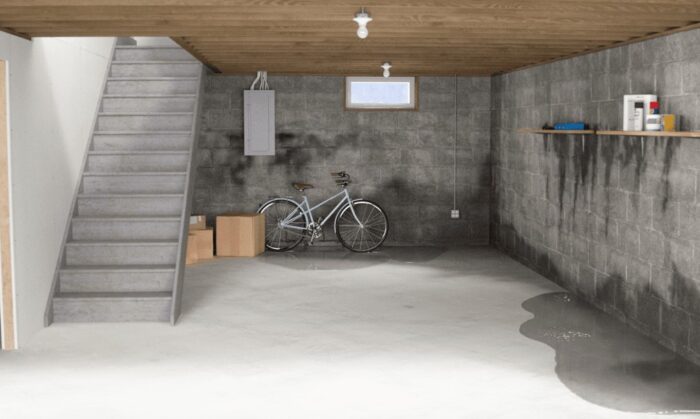
Moisture can enter through various paths—cracks, window wells, or through the soil. Each entry point needs a specific solution to prevent damage. You should avoid letting your basement turn into a breeding ground for mold by taking proper action. An essential first step is managing water flow around your home.

Water should drain away from the foundation, not toward it. Gutters and downspouts that lead water away prevent it from entering. Keep them clean and functional. Inspect the exterior for signs of cracks or uneven surfaces where water can accumulate.

Sometimes, the issues aren’t visible on the surface. That’s where professional basement waterproofing can make a difference. Experts, like those from Basement Waterproofing, can assess your space, identify potential risks, and install systems that prevent future water issues. Professional basement waterproofing goes beyond DIY solutions and ensures long-term results.

How Mold Thrives in Wet Conditions

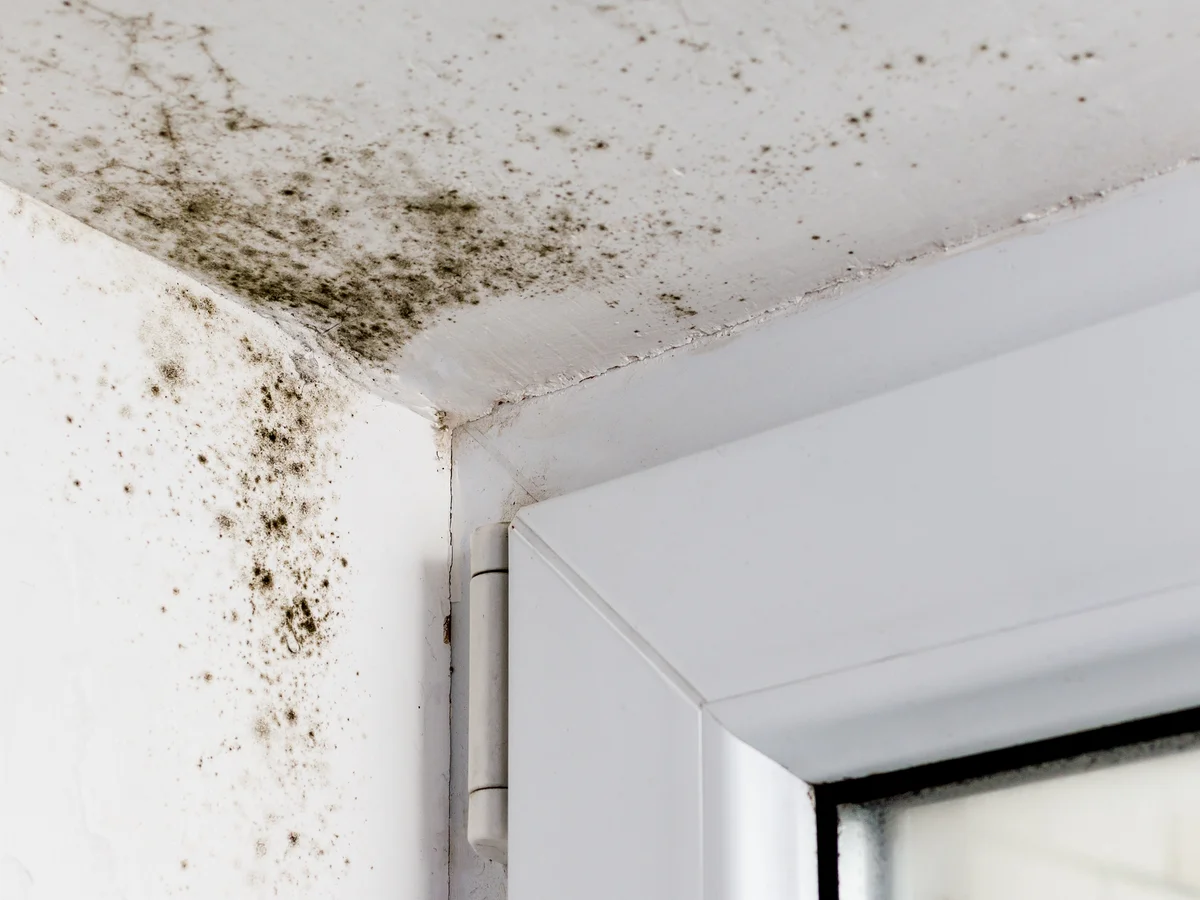
Mold loves moisture. It grows when humidity levels stay high, especially in dark spaces. The spores, once airborne, can cause respiratory issues and other health concerns. You might not even see the mold growing until it’s too late. Stains, musty odors, or peeling paint often hint at a problem. To prevent mold, it’s essential to control humidity levels.

One way to do that is by using a dehumidifier, which reduces the amount of moisture in the air. For areas that already suffer from leaks, the dehumidifier alone won’t be enough. Address the source of the problem directly by ensuring that water doesn’t enter in the first place.

Methods for Interior Waterproofing
Source: safebasements.com

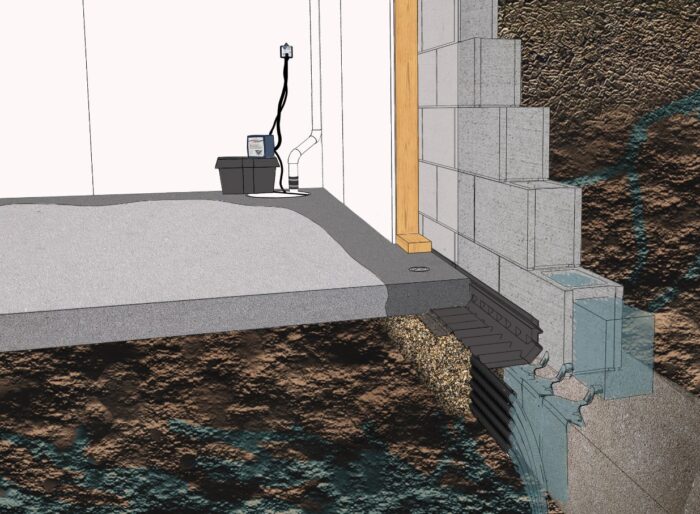
Interior solutions typically include sealing any visible cracks and applying coatings that repel water. These products create a barrier between the outside moisture and your walls, but they are more of a temporary solution for minor issues.

You can also consider installing an interior drainage system, which collects water before it enters the living space. These methods work well for basements with minimal water problems, but they won’t fix larger issues where the structure itself allows water in.

Sump pumps are another key element in interior waterproofing. They actively pump water out and away from your foundation. If your basement regularly collects water after heavy rains, a sump pump could be the answer.

Exterior Waterproofing Methods

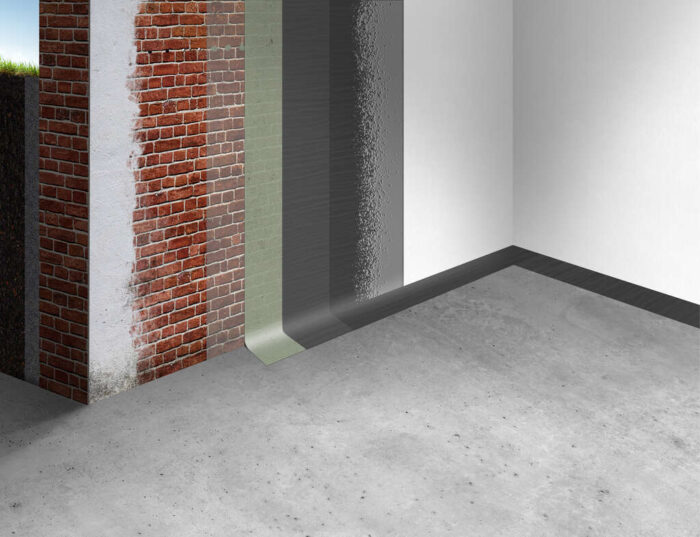
Exterior solutions are more extensive and long-lasting. They involve working on the outer foundation of the home, addressing the core of the issue. This method includes applying a waterproof membrane to the exterior walls, installing drainage tiles to redirect water, and regrading the surrounding landscape.

An exterior membrane blocks water from seeping through the foundation walls. Though it requires digging around your home, this solution protects the foundation for years. In some cases, gravel layers are added to improve water flow away from the foundation.

By combining interior and exterior waterproofing methods, you can achieve a dry and mold-free basement even during the worst weather conditions.

Why Waterproofing Isn’t Just About the Basement
Source: theguardian.com

Waterproofing isn’t only about keeping one space dry. The moisture that accumulates can travel upward, affecting the rest of the home. Mold spores can easily spread, and moisture can cause wooden beams and drywall to rot. Structural integrity could be at risk if left unchecked.

Preventing moisture entry ensures the overall health of your home. It also preserves the value of the property. Basements that are kept dry add to the square footage of usable living space, which increases your home’s market value. A well-maintained basement can serve as an extra bedroom, entertainment space, or even a storage area.

Essential Maintenance Tips

  1. Regular inspection – Check the exterior and interior for cracks or leaks at least twice a year.
  2. Gutter and downspout care – Keep them free from debris and ensure they direct water away from the home.
  3. Control humidity – Install a dehumidifier, especially in areas prone to moisture buildup.
  4. Monitor weather patterns – After heavy rain, look for any signs of water intrusion to address issues quickly.
  5. Address cracks immediately – Even small cracks can lead to big problems if ignored.

FAQ Section
Source: schomburg.com

How often should waterproofing be inspected?

Inspect both interior and exterior waterproofing systems at least twice a year, especially after heavy rainfall.

Can waterproofing be a DIY project?

DIY waterproofing can work for minor cracks or leaks, but professional installation is recommended for long-lasting solutions.

Does waterproofing solve mold problems?

Waterproofing prevents the conditions that allow mold to thrive, but existing mold must be removed separately.

What are the warning signs of basement moisture?

Musty odors, peeling paint, or visible mold are clear indicators of moisture problems.

Is exterior waterproofing necessary for every home?

Homes in areas with heavy rainfall or poor drainage benefit the most, but even homes in drier climates should be assessed for potential risks.

Conclusion

Basements often face the challenge of moisture accumulation, leading to issues like mold. Addressing the problem before it escalates is essential for maintaining a healthy living environment. By implementing proper waterproofing solutions—both interior and exterior—you can prevent water from entering the space and eliminate the conditions mold needs to grow.

Regular maintenance and professional solutions offer long-term peace of mind and protect the integrity of your home.


Categories
Home

How to Get an Accurate Online Home Insurance Estimate?

Getting an accurate online home insurance estimate can be like navigating a maze blindfolded if you don’t know what to look for. Yet, it’s a crucial step in protecting one of your most significant investments—your home. In this guide, we’ll walk you through the intricacies of obtaining an online estimate that reflects your needs without leaving you in the lurch when it matters most.

Home Insurance Basics

Source: google.com

Before diving into the digital world of insurance quotes, let’s set the foundation with a basic understanding of what home insurance covers. Home insurance, like the ones you can get at Dunnville insurance companies, often referred to as homeowner’s insurance, is designed to protect against financial losses from incidents such as fire, theft, and natural disasters.

It typically includes coverage for the structure of your home, personal belongings, liability protection, and additional living expenses if you are temporarily unable to live in your home due to an insured disaster.

Grasping these basics helps in understanding what you’re shopping for and ensures that the estimates you get online align with your actual needs.

Start with the Right Information

An accurate home insurance estimate starts with providing detailed and accurate information. Here’s the scoop: insurers calculate premiums based on the risk they’re taking to insure you and your property. This means the more accurate the information you provide, the more precise your estimate will be.

You’ll need to arm yourself with details like the square footage of your home, the year it was built, the type of construction materials used, the condition of your home, any recent renovations, the age of your roof, and even details like the type of plumbing and electrical systems you have. It might seem overwhelming, but each piece of information can significantly impact your quote.

Choosing the Right Coverage Amounts

Source: aragon2.com

One of the pivotal decisions in acquiring home insurance is selecting the appropriate coverage amounts for your dwelling, personal property, and liability. The dwelling coverage should ideally match the replacement cost of your home—not the market value, but how much it would cost to rebuild your home at current prices with similar materials.

For personal property, a good rule of thumb is to have enough coverage to replace all your possessions if they were completely lost. Liability coverage should be enough to protect your assets in case someone is injured on your property and decides to sue.

The Impact of Deductibles

Deductibles play a crucial role in your insurance premiums and the overall cost of your policy. A deductible is the amount you agree to pay out of pocket before your insurance kicks in after a loss. Opting for a higher deductible can lower your monthly premiums, but it also means more out-of-pocket expenses during a claim, which could be a financial strain.

Understanding the balance between your monthly budget and what you can reasonably afford to pay out of pocket is essential when selecting your deductible.

Comparing Quotes Online

Source: google.com

Now to the fun part—shopping around! With your information in hand and a clear understanding of your coverage needs, you can start comparing quotes. Use reputable online comparison tools that allow you to input your information once and receive multiple quotes from various insurers. This process not only saves time but also provides a broader view of the market.

Categories
Home

Crafting Your Dream Deck: A Guide to Exterior Design and Planning

Creating the ideal outdoor deck is an exciting project that can turn your outdoor living area into a tranquil retreat.

This book will provide you with the ideas and information you need to build your ideal deck, whether you’re picturing a peaceful retreat for alone time or a communal gathering spot. We can help with everything from planning and design to construction.

Define Your Goals and Purpose

Define Your Goals and Purpose
Source: newlevelresults.co.uk

Identifying your objectives and purpose is the first step in creating your ideal deck. What are your future ambitions for your outdoor area? Do you intend to use it for entertaining guests, dining, or all of the above? The configuration and style of your deck will be influenced by your objectives.

Assess Your Space

Survey your outdoor space and consider factors like size, shape, and the existing landscape. Consider any natural elements, such as trees, slopes, or water bodies. Understanding your space’s limitations and advantages is crucial to a successful deck design.

Choose Your Deck Materials

Choose Your Deck Materials
Source: popularmechanics.com

Selecting the right materials is vital to your deck’s longevity and aesthetic appeal. Wood, composite decking, and other materials are available as options. Choose according to your budget, preferred methods of care, and desired appearance as each has advantages and disadvantages of its own.

Create a Detailed Plan

Design your deck on paper or using digital tools. Consider aspects like deck shape, layout, seating areas, and any additional features, such as built-in benches, pergolas, or outdoor kitchens. A well-thought-out plan ensures your deck meets your functional and aesthetic requirements.

Obtain Necessary Permits

You could require licenses or approvals from your neighborhood government depending on where you live and the size of your deck. Before starting construction, check the local building codes and obtain any necessary permits.

Build a Solid Foundation

Build a Solid Foundation
Source: finehomebuilding.com

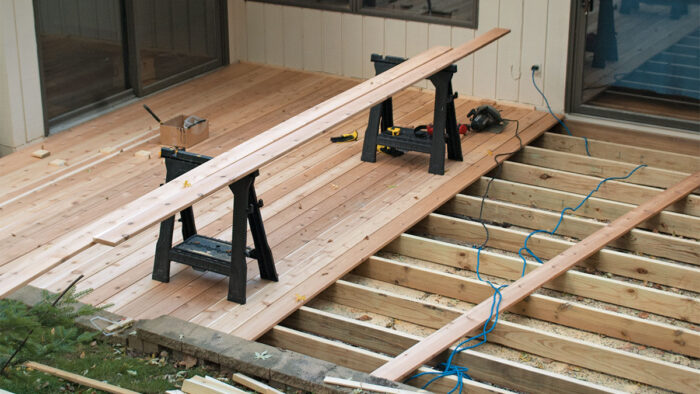
A sturdy and level foundation is the backbone of a durable deck. Depending on your terrain, you might need deck piers or concrete footings. If you’re uncertain about the foundation requirements, consult a professional.

Enlisting the help of Columbus Decking specialists can make all the difference when it comes to building and installing your dream deck. While some may choose the DIY route, working with experts in the field offers a multitude of benefits.

Columbus Decking experts are well-versed in local building codes, weather considerations, and the unique challenges of your specific area. Because of their expertise, your deck will be both aesthetically beautiful and structurally sound.

With their assistance, you may successfully manage the permission process, steer clear of expensive errors, and have access to the newest building supplies and methods. By collaborating with Columbus Decking professionals, you’ll have the peace of mind that your dream deck will be a stunning and enduring addition to your outdoor living space.

Construction and Installation

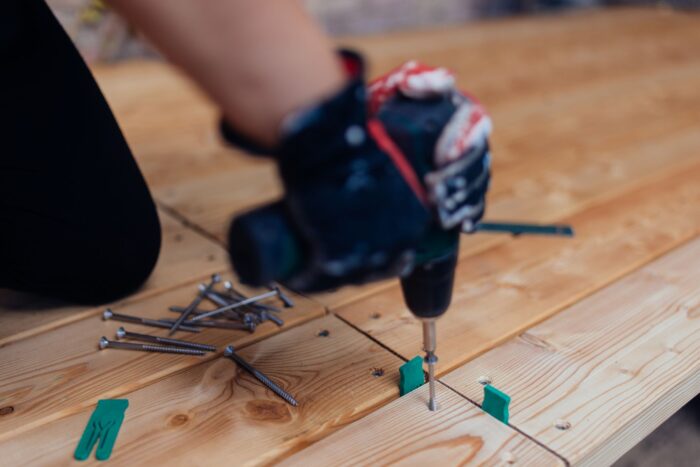
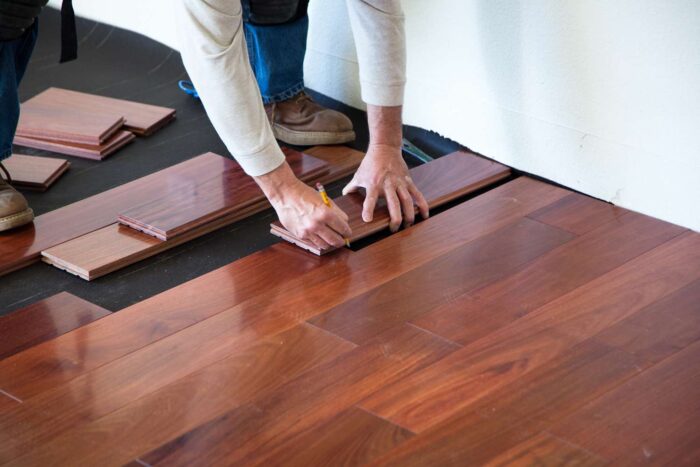
If you have the required materials and skills, you can build your deck. But frequently hiring a qualified contractor is the best alternative to ensure a high-quality and secure installation.  Pay attention to details like proper joist spacing, fasteners, and proper drainage.

Finish and Maintenance

Finish and Maintenance
Source: ftcc.com.au

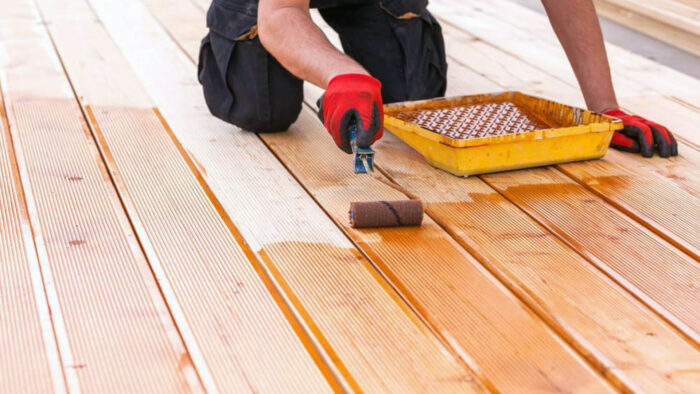
Select a coating for your deck’s material, such as a protective sealer, paint, or stain. Your deck will look wonderful and last longer if you perform routine maintenance like cleaning, inspections, and periodic repairs.

Furnish and Decorate

Personalize your dream deck with comfortable furniture, lighting, and accessories that align with your design concept. Establish a welcoming environment that promotes enjoyment and relaxation.

Landscaping and Greenery

Enhance the beauty of your outdoor space with landscaping and greenery. Incorporate plants, flowers, and shrubs to create a harmonious connection between your deck and the surrounding environment.

Let’s dive deeper into some of the key considerations and tips for crafting your dream deck:

Lighting Design

Lighting Design
Source: landscapingnetwork.com

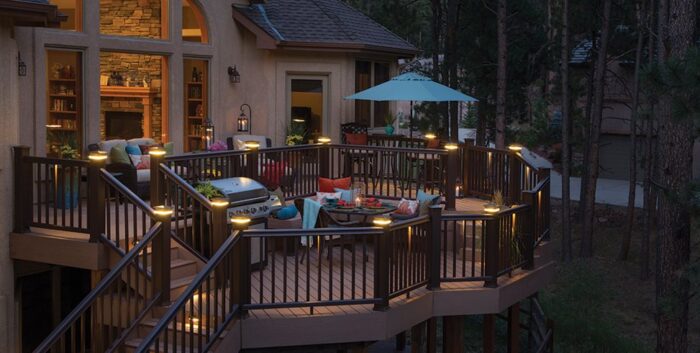
Effective lighting can transform your deck into a magical space for evening gatherings. Consider installing various types of lighting, such as overhead fixtures, string lights, pathway lighting, and even built-in LED lights in the deck itself. Lighting not only enhances the atmosphere but also adds a layer of safety to your outdoor space.

Privacy and Screening

If your deck is in a shared space or you desire more privacy, think about incorporating screening options. This could be achieved through strategic placement of planters, trellises, or privacy screens. Additionally, consider the placement of your deck concerning neighbors and how to maintain a sense of seclusion.

Accessibility

Ensure that your deck is accessible to everyone by including ramps or step-free entry points. This not only makes your space more inclusive but also increases its functionality and safety.

Outdoor Kitchen and Grilling

Outdoor Kitchen and Grilling
Source: bhg.com

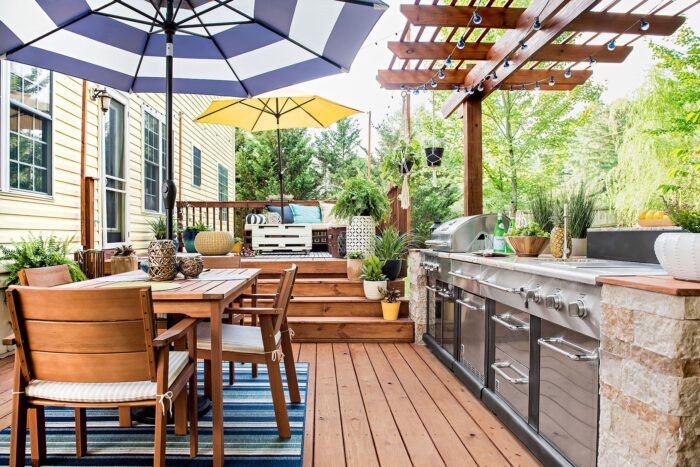
For those who love outdoor cooking, consider integrating an outdoor kitchen or a grilling station into your deck design. This feature allows you to prepare meals without missing out on the fun and entertainment happening on the deck.

Fire Features

A fire pit or outdoor fireplace can extend the usability of your deck into the colder months. They provide warmth, create a cozy ambiance, and serve as a focal point for gatherings.

Water Features

Water features like fountains, ponds, or small waterfalls can add a soothing and tranquil element to your deck. The sound of running water can create a relaxing environment that’s perfect for unwinding.

Shade and Shelter

Consider installing shade structures like retractable canopies, awnings, pergolas, and umbrellas on your deck. These elements not only protect you from the sun’s harmful rays but also make your deck more comfortable in the summer.

Furniture and Accessories

Furniture and Accessories
Source: scp.co.uk

Select outdoor furniture and accessories that are both comfortable and durable. Choose materials that can withstand the elements, and don’t forget to include storage options for outdoor cushions and other items.

Regular Maintenance

Regular maintenance is crucial to the longevity and beauty of your deck. This includes cleaning, inspecting for wear and tear, and addressing any issues promptly. Depending on your deck material, maintenance requirements may vary, so be sure to follow manufacturer guidelines.

Enjoy the Journey

Remember that crafting your dream deck is a journey in itself. Take your time, explore for inspiration in other places, and make modifications to your plans as you go. It’s a creative process that should result in a space that captures your personality and way of life.

Crafting your dream deck is a rewarding experience that can significantly improve your outdoor living space. You’ll be well on your way to enjoying a delightful and practical outdoor holiday if you adhere to the planning, designing, and construction directions in this book.

Keep in mind that a well-planned deck could increase the value of your house and enable you and your loved ones to make a ton of priceless memories.

Categories
Home

Budget-Friendly Flooring: Affordable Choices for Every Room

Renewing your flooring is a major home improvement that can give your space a fresh and updated look while keeping your budget intact. Thankfully, there’s a diverse array of budget-friendly flooring options at your disposal, allowing you to achieve a significant transformation without overspending.

This blog post will delve into various economical flooring alternatives and provide practical advice on how to make savvy decisions for each room in your home without compromising your financial resources.

Laminate Flooring

Laminate Flooring
Source: luxuryflooringandfurnishings.co.uk

Laminate flooring is a favored option among budget-conscious homeowners due to its ability to replicate the appearance of hardwood or stone at a considerably lower cost.

The installation process is straightforward, and it offers a broad range of patterns, making it a versatile choice for any room within your residence.

Vinyl Plank Flooring

Vinyl plank flooring serves as a budget-friendly substitute for hardwood, providing both longevity and resistance to water. Maintenance is hassle-free, and it comes in a variety of designs, including wood, stone, and tile patterns.

Vinyl plank flooring is well-suited for spaces with heavy foot traffic and moist environments like kitchens and bathrooms.

Ceramic Tile

Ceramic Tile
Source: thespruce.com

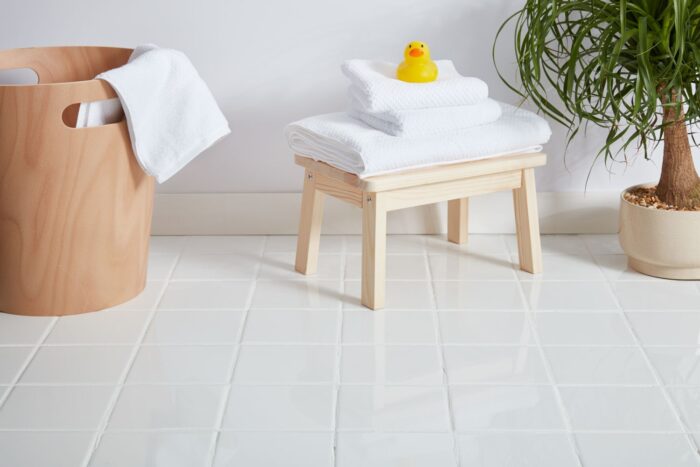
Another cost-effective alternative to explore is ceramic tile, particularly when you require a durable and water-resistant solution. With a variety of sizes, shapes, and colors to choose from, you can tailor your selection to match both your personal taste and financial considerations.

This renders ceramic tile an excellent choice for enhancing spaces such as kitchens, bathrooms, and entryways.

Linoleum Flooring

Linoleum stands as a cost-effective and enduring flooring choice that is both environmentally friendly and derived from natural sources.

It is offered in various hues and intricate designs, offering you the opportunity to infuse creativity into your flooring concept. Linoleum is particularly well-suited for kitchens and other frequently traversed spaces.

Carpet Tiles

Carpet Tiles
Source: flooringinc.com

Carpet tiles present a budget-friendly substitute for the conventional wall-to-wall carpeting. Their installation is straightforward, and in the event of damage or wear to specific sections, you can conveniently swap out the affected tiles, resulting in cost savings on upkeep. Ideal for bedrooms, playrooms, and home offices.

Bamboo Flooring

Bamboo is an affordable and environmentally conscious material. It boasts durability, low maintenance requirements, and comes in an array of design options, encompassing both its natural and carbonized (dark) finishes.

Cork Flooring

Cork Flooring
Source: indesignlive.com

Cork is a renewable and sustainable material that is both cost-effective and ecologically friendly. It is comfortable underfoot, provides enough insulation, and is available in a number of patterns and colors.

14 Tips for Making Economical Flooring Choices

Let’s explore a few tips and embark on your journey to cost-effective and aesthetically pleasing flooring solutions:

1. Do Your Research

Take the time to research different flooring options and their prices. Look for sales, discounts, and promotions from local stores or online retailers.

2. Consider DIY Installation

Consider DIY Installation
Source: thespruce.com

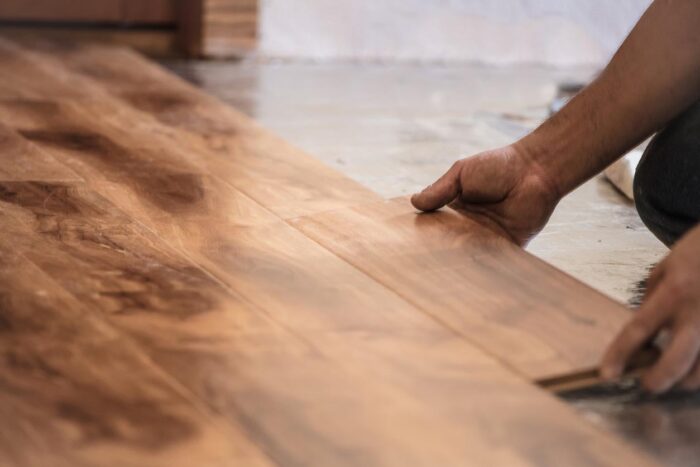
Installing flooring yourself might help you save a lot of money on labor charges. Many flooring materials are intended for do-it-yourself installation, and there are numerous online tutorials to help you along the way.

3. Opt for Remnants

If you’re considering carpeting, check for carpet remnants at your local flooring store. These are often discounted and can be a budget-friendly way to carpet smaller areas or rooms.

4. Prioritize High-Traffic Areas

If you have a limited budget, prioritize updating the flooring in high-traffic areas such as the living room, kitchen, or foyer. This will have the most influence on the overall appearance of your property.

5. Maintenance Matters

Maintenance Matters
Source: davesfloorsanding.com

Consider the long-term maintenance costs when choosing your flooring. Some materials require more upkeep than others, so factor that into your decision-making process.

6. Refurbish Existing Flooring

Before tearing out your current flooring, assess its condition. In some cases, hardwood floors can be refinished to look like new, saving you the expense of installing entirely new flooring. If you have hardwood floors hidden beneath an old carpet, this could be a fantastic cost-saving option.

7. Look for Outlet Stores and Clearance Sales

Outlet stores and clearance sales often offer flooring materials at a fraction of the regular price. While the selection might be limited, you can find some excellent deals on high-quality materials.

8. Consider Secondhand or Reclaimed Materials

Reclaimed wood, salvaged tiles, and secondhand carpeting can be a unique and budget-friendly choice. Look for local salvage yards, online marketplaces, or building material reuse centers to find discounted materials with character.

9. Explore High-Quality Flooring Solutions Online

Explore High-Quality Flooring Solutions Online
Source: pcworld.com

In our quest for budget-friendly flooring, one invaluable tip is to explore high-quality flooring solutions online. The internet is a treasure trove of information and opportunities when it comes to finding affordable yet high-quality flooring materials.

You can browse a wide array of options, compare prices, and read reviews from other homeowners who have already tested these materials in their own spaces.

Online retailers often offer discounts and promotions that can make premium flooring materials more accessible. So, before you make a final decision, don’t forget to harness the power of the internet to discover the high-quality, budget-friendly flooring options that perfectly suit your home.

10. Opt for Floating Floors

Floating floors, like floating laminate or engineered hardwood, are not glued or nailed to the subfloor. They are relatively easy to install and can save on installation costs, as they don’t require adhesives or nails.

11. Plan for Future Upgrades

If you’re on a tight budget now but have plans to upgrade your flooring in the future, consider installing an interim, budget-friendly solution. For example, you might choose a durable and economical option for now, with the intention of upgrading to your dream flooring once your budget allows.

12. Negotiate and Compare Quotes

If you decide to hire professionals for installation, be sure to obtain multiple quotes and negotiate the best price. Contractors may be willing to offer discounts or package deals for multiple rooms.

13. Check for Manufacturer Rebates

Check for Manufacturer Rebates
Source: bobvila.com

Some flooring manufacturers offer rebates or incentives for choosing their products. These can be a great way to save money on your flooring project.

14. Budget for Underlayment and Accessories

Don’t forget to account for underlayment and other accessories like transition strips, adhesives, and floor padding. These items can add to the overall cost, so include them in your budget planning.

Conclusion

Updating your flooring doesn’t have to be an expensive task. You can remodel your house on a budget by making the correct decisions and using your imagination. Whether you choose laminate, vinyl plank, linoleum, ceramic tile, or carpet tiles, there is an economical flooring choice for every space.

By following the advice offered, you’ll be well on your way to attaining a new, stylish appearance for your house without breaking the budget.

Categories
Home

Whole-House Remodeling: From Concept to Completion (2024)

A complete home makeover is like giving your house a fantastic transformation. Embarking on this exciting journey can sometimes feel a bit overwhelming due to its vast scope and the meticulous planning it requires.

However, the resulting rewards are unquestionably worth the effort. Renovating your entire home might become a crucial step in increasing the property’s value for a future sale.

Alternatively, it could be aimed at making your dwelling more comfortable for its present inhabitants.

Regardless of the motivation behind the full house renovation, the groundwork remains consistent: setting a budget, making a plan, and finding the right contractor, among other vital considerations.

This blog navigates the intricate journey of whole-house remodeling, from concept and design to fulfilling the dream renovation.

The Initial Concept: Exploring Ideas and Vision

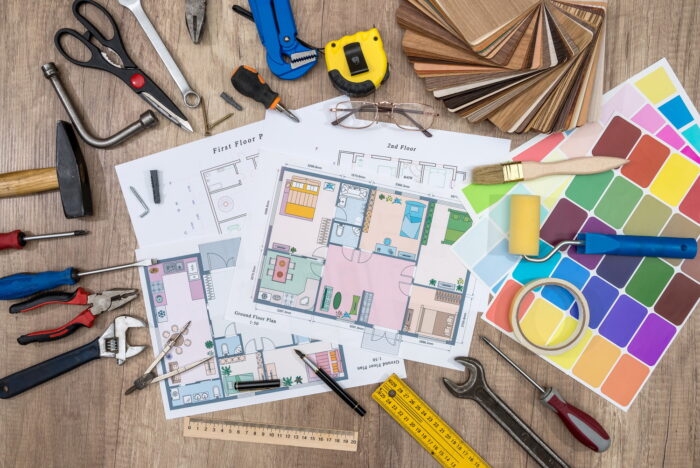
house plan with working tools. office work.
Source: corinthianinc.com

When embarking on the journey of a whole-house remodel, it all begins with an idea. The initial concept is the spark that ignites the entire process, and it’s where your vision for your dream home renovation takes shape.

Imagine how you want your home to look and function once the remodel is complete. Consider the layout, the aesthetics, and the functionality.

Take inspiration from design magazines, home improvement shows, or even a stroll through your favorite neighborhood. Collect images and create mood boards to visualize your ideas.

In addition, defining the scope of your project is crucial. Determine which areas of your home need renovation, whether it’s the kitchen, bathroom, living room, or all of the above. Consider the scale of the project, including whether it’s a minor refresh or a major transformation.

Design Phase: The Role of Blueprints and Architectural Designs

The design phase is where your initial ideas start to take shape in a more structured manner.

It’s a critical stage that involves turning your vision into practical plans and blueprints, ensuring that your dream renovation is not only beautiful but also functional and safe.

The initial step in this process involves creating a well-thought-out plan that considers the practical aspects of your project. What’s your budget? What aspects take priority? Are there specific design elements you wish to incorporate?

It’s advisable to formulate a project plan outlining your objectives, timeline, and budget constraints.

It’s also a good idea to involve professionals like architects, interior designers, and structural engineers, as their expertise ensures that your design not only looks great but is also structurally sound.

In addition, contractors are the backbone of your renovation project. They bring the plans to life, manage the workforce, and oversee the project’s progress. Thus, contractor services are essential for a successful home remodel.

Budgeting and Financing Phase

Budgeting and Financing for Home Remodel
Source: investopedia.com

The financial aspect of your whole-house remodel is a critical factor that cannot be overlooked. Setting a realistic budget and managing your finances effectively is crucial for the success of your project.

Setting a Realistic Budget

Determine the total budget for your renovation, keeping in mind that unexpected expenses may arise.

Allocate funds to different aspects of the project, such as materials, labor, permits, and contingency. Having a well-defined budget will help you make informed decisions and avoid overspending.

Financing Options and Cost Management

Consider how you’ll finance your remodel. Options range from personal savings to home equity loans or lines of credit.

It’s essential to explore the most suitable financing option that aligns with your budget and financial goals. Additionally, actively managing costs throughout the project is key to staying on track and within your budget.

Addressing Unexpected Expenses

No matter how well you plan, unexpected expenses can still crop up. Having a contingency fund of around 10% of your total budget can act as a safety net for unforeseen costs.

This cushion ensures that you can adapt to changes or challenges without derailing the entire project.

Understanding Local Building Codes and Regulations

Navigating the legal aspects of your whole-house remodel is an essential part of the process.

Every locality has its own set of building codes and regulations that dictate the proper conduct of construction and renovation projects. Familiarizing yourself with these rules is crucial to avoid potential legal complications and to ensure your home’s safety.

Demolition and Construction: Preparing for the Physical Work

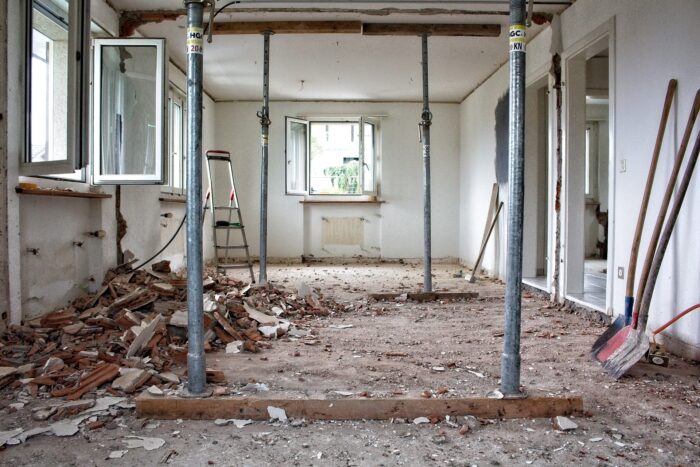
Source: industrytap.com

Once the planning and legal matters are sorted out, it’s time to get down to the physical work of your whole-house remodel.

Before the construction phase begins, your home must be prepared for the extensive work ahead. This might include moving out temporarily, setting up a temporary kitchen or bathroom, and protecting any parts of your home that won’t be renovated.

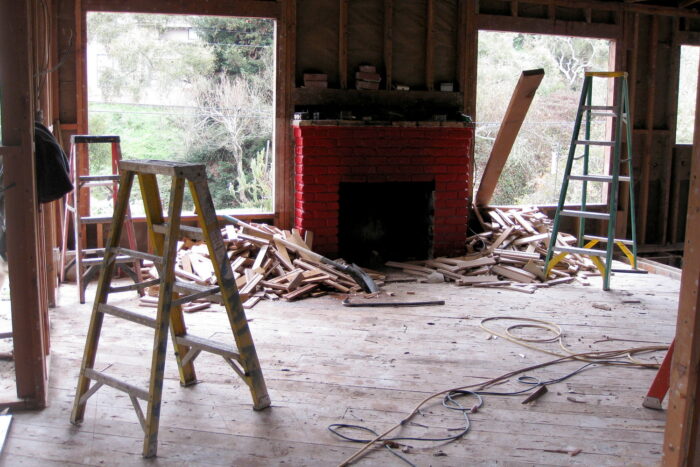
Demolition is the phase where existing structures are removed or altered to make way for the new design.

Final Touches and Details

As your whole-house remodel nears completion, it’s the perfect time to add those personal touches and ensure that every detail is just right.

What truly sets your home apart is the personal touch you infuse into it.

Whether it’s custom cabinetry, unique lighting fixtures, or decorative elements, these are the details that truly make your home uniquely yours. You can also consider incorporating energy-efficient and sustainable elements in your renovation.

Conclusion

home remodel
Source: houselogic.com

The journey from concept to completion in a whole-house remodel is a rewarding experience.

Remember that the guidance of professional contractors, sound budgeting, adherence to regulations, and a focus on detail are key to a successful home renovation journey. So, take that first step towards your dream home, and enjoy the process.

Categories
Home

Choosing the Right Complete Home Remodeler for Your Project (2024)

The idea of a complete home remodeling project is both exciting and transformational. It’s an opportunity to refresh your living space, enhance utility, and increase the value of your property.

Whether you want to improve your family’s everyday life or prepare your house for a future sale, the appropriate home renovation contractor may make all the difference.

In this article, we’ll dig into the important components of selecting the ideal partner for your renovation journey, ensuring that your vision not only comes to fruition but exceeds your expectations in creating a harmonious and elegant living space.

Define Your Project Goals

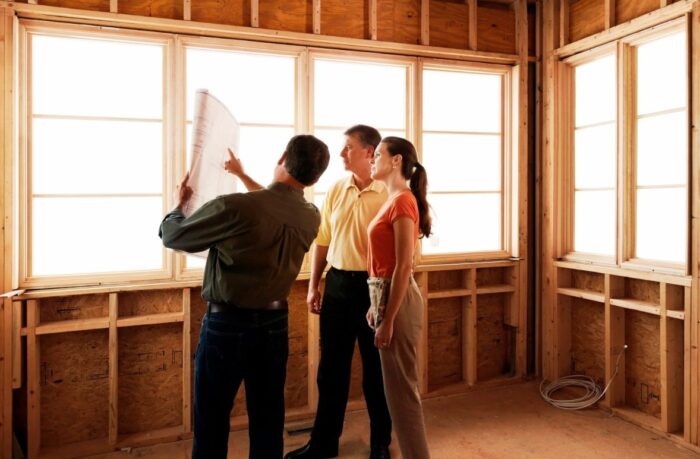
Project Goals for Home Remodeling
Source: finance.yahoo.com

Before you start searching for a contractor, clearly define your project goals. What specific changes or improvements do you want in your home? Having a detailed vision will help you communicate your expectations to potential contractors.

Seek Recommendations

Ask friends, family, and neighbors for recommendations. Word-of-mouth referrals are often a good way to find reliable contractors. Additionally, you can check online reviews and ratings on websites like Angie’s List or Houzz.

Check Licensing and Insurance

Verify that the contractor is licensed and insured. A licensed contractor has attained certain requirements and is more likely to adhere to professional standards. Insurance is necessary to shield you from liability in the case of a construction accident or damage.

Evaluate Experience

Look for professionals who have a demonstrated track record in house remodeling. Experience is important since it displays the contractor’s ability to manage all areas of a project, from concept to implementation.

Check for References

Ask the contractor for references from past clients. Inquire with these references about their interactions with the contractor. This will give you insights into the contractor’s work quality and professionalism.

Review Portfolios

Examine the contractor’s portfolio of completed projects. This will assist you in evaluating their style, craftsmanship, and attention to detail. Check to see whether their prior work matches your vision.

Get Multiple Bids

Don’t settle for the first contractor you find. Obtain bids from several contractors to compare costs, timelines, and proposed solutions. This can help you make an informed decision and prevent overpaying.

Check for Permits

Ensure that the contractor is knowledgeable about local building codes and will obtain the necessary permits for your project. Failure to secure permits can result in legal issues and project delays.

Communication and Compatibility

Communication and Compatibility for Home Remodeling
Source: thespruce.com

Establish good communication with the contractor. You should feel free to express your thoughts and concerns.

Compatibility with your vision is essential, as the contractor should be able to understand and execute your design preferences.

Contract and Warranty

Review the contract thoroughly. It should include details about the scope of work, payment schedule, project timeline, and warranties. Ensure everything is in writing to protect your interests.

Payment Schedule

Be wary of contractors that require a substantial advance payment. A reasonable payment schedule should be tied to project milestones and completion.

Quality of Materials

Discuss the quality of materials that will be used in your project. A reputable contractor should be transparent about the materials they plan to use and their sources.

Timeline and Delays

Discuss the project timeline and what measures will be taken to mitigate potential delays. Be prepared for unexpected delays due to weather, unforeseen issues, or material shortages.

Communication During the Project

Maintain open lines of communication throughout the project. Regular updates and discussions with the contractor can help address any concerns or changes in the plan.

Inspect the Work

Inspect the Work for Home Remodeling
Source: thebalancemoney.com

Inspect the work on a regular basis to ensure that it meets your standards. Address any issues or discrepancies promptly.

Complete home remodeling provides an abundance of advantages that may greatly improve your living area by making it more useful, visually pleasant, and valuable.

You may maximize the value of your house by hiring the best contractor for your complete home remodeling project.

From improving your daily living to increasing the resale value of your home, the advantages are numerous.

With a well-executed home renovation, you can enjoy a more comfortable and personalized living environment while potentially reaping financial rewards when it comes time to sell. It’s a transformative endeavor that can elevate your quality of life and property investment.

Sustainability and Energy Efficiency

If you’re concerned about eco-friendliness and energy efficiency, discuss these concerns with potential contractors. Ensure they can incorporate sustainable materials and practices into your renovation.

Flexibility and Adaptability

A good contractor should be flexible and adaptable. They should be able to adjust to unexpected changes or challenges that may arise during the project.

Local Knowledge

Contractors with local knowledge can navigate permitting, local regulations, and potential issues specific to your area more effectively. They could also have built contacts with suppliers and subcontractors.

Subcontractors and Team

Inquire about the subcontractors and team members who will be involved in your project. Ensure that they are experienced, skilled, and reliable, as they play a significant role in the project’s success.

Problem-Solving Skills

Problem-Solving Skills Home Remodeling
Source: verywellmind.com

Assess the contractor’s problem-solving skills. They should be able to anticipate and address issues that may arise during the renovation without causing significant delays or budget overruns.

Quality Control Measures

Ask about the contractor’s quality control processes. How do they ensure that the work is completed to a high standard? This may involve regular inspections, quality checks, and project management.

Payment and Cost Transparency

Ensure that the contractor is transparent about costs, and that there are no hidden fees or unexpected expenses. A reputable contractor will provide a detailed breakdown of costs in the contract.

Timeline Contingencies

Discuss how the contractor handles unexpected delays or issues that may arise during the project. Having a plan for managing contingencies can help prevent frustration and keep the project on track.

Clear Communication of Change Orders

If you need to make changes to the project scope or materials, ensure that the contractor communicates these changes clearly and adjusts the contract accordingly. Avoid verbal agreements for changes.

Trust Your Instincts

Trust your gut feeling about the contractor. You should feel comfortable and confident with the person or team you choose to work with, as a home renovation is a significant investment.

Local Reviews and Regulatory Compliance

Source: houseology.ie

Check with your local Better Business Bureau or consumer protection agency to ensure there are no significant complaints or legal issues associated with the contractor. Also, confirm they comply with local regulations and codes.

Prepare a Detailed Project Brief

Before meeting with contractors, create a detailed project brief outlining your goals, preferences, and budget. This document will serve as a reference point during discussions and help ensure all parties are on the same page.

Legal Protections

Consult with a legal professional to understand your rights and protections as a homeowner during the renovation process. A legal advisor can help you draft a comprehensive contract that safeguards your interests.

Choosing the appropriate home renovation contractor is a vital step in realizing your dream house. You may boost the odds of a successful restoration project that matches your goal and budget by properly examining credentials, expertise, and compatibility.

Categories
Home

Seamless Surfaces: The Art of Beautiful Countertops and Backsplashes

Welcome to the realm of interior design, where gorgeous countertops and backsplashes work their magic. These surfaces have a purpose, but they are also canvases for your individual style. We’ll explore how to design countertops and backsplashes that are both attractive and useful in this article.

Whether you’re remodeling a bathroom in another city or constructing your ideal kitchen, we’ll help you choose the materials, colors, and design elements that will make your surfaces the pinnacle of both aesthetic appeal and practicality.

The Heart of the Home: Your Kitchen

The phrase “heart of the home” typically refers to the kitchen, and for good reason. It’s where memorable conversations, delicious meals, and gatherings take place.

The countertops are unquestionably the center of attention in any kitchen, and in Sacramento, they have a big impact on the atmosphere as a whole.

These surfaces must hold up over time, maintaining their beauty while withstanding normal use.

What is the Importance of the Materials?

Source: instagram.com

Granite: Timeless Elegance

A Sacramento kitchen countertop often features granite, and for good reason. It is a superb option due to its longevity and timeless elegance.

Granite countertops are perfect for a busy kitchen since they are heat- and scratch-resistant and have a sleek, polished appearance.

Quartz: A Modern Marvel

When looking for the ideal fusion of aesthetics and usefulness, homeowners may prefer quartz countertops because they are more modern.

You have the opportunity to express your style thanks to the variety of colors and patterns offered by these engineered stone surfaces.

Quartz genuinely stands out because of its stain-resistance and low care requirements, making it a great option for busy kitchens.

Marble: Classic Beauty

Marble, which is prized for its timeless beauty, oozes refinement and sophistication. Marble kitchen countertops in Sacramento give your room a feeling of ageless beauty.

However, it’s important to keep in mind that marble is more porous and can be more susceptible to stains, so it can require a little bit more upkeep. However, for many people, marble’s inherent visual appeal makes the extra effort worthwhile.

The Art of Backsplashes

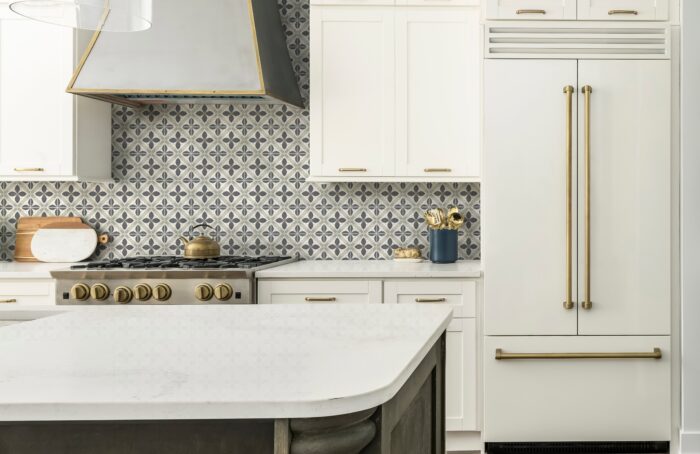
A complementing backsplash is necessary to complete a smooth surface. Backsplashes protect your walls from spills and decorate your kitchen at the same time by adding a distinctive design element.

Kitchen backsplashes and countertops frequently coordinate to produce a pleasing visual harmony.

The Importance of Professional Expertise

Importance of Professional Expertise in installing countertops
Source: storables.com

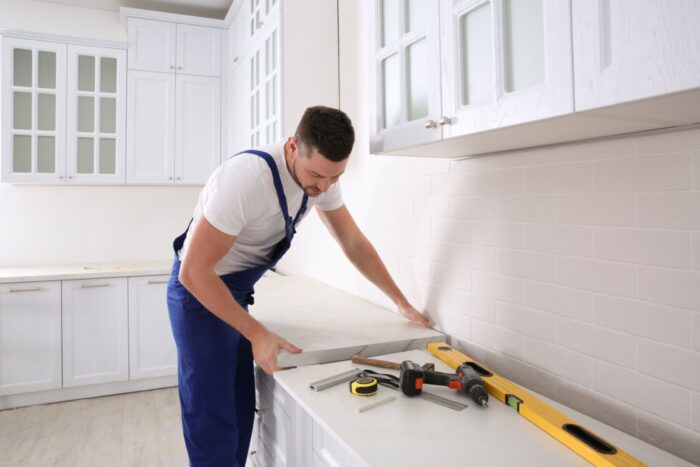
It’s important to underline the importance of collaborating with specialists when it comes to design strategies for your Sacramento kitchen countertop and backsplashes.

These surfaces must be created and installed with meticulous attention to detail and skilled craftsmanship.

Professionals can flawlessly combine utility and aesthetics since they have a thorough understanding of the most recent trends.

  • Achieving Perfect Harmony

Experts can assist you in making the best material and color selections that complement your whole kitchen design.

They can ensure that your countertops and backsplashes complement the rest of your kitchen while also being aesthetically beautiful thanks to their expertise of design principles.

  • Precision Installation

When it comes to installation, accuracy is crucial. Professional installation leaves no room for error when it comes to your Sacramento kitchen’s worktops and backsplashes. This increases the life of your surfaces and ensures a stunning end result.

What is the Impact of the Colors you choose?

Impact of the Colors for Backsplash
Source: apartmenttherapy.com

Coordinated Contrast

Making your countertops and backsplashes pop requires the use of color. The color scheme may make or break the look, even though the choice of materials is important.

Kitchen backsplashes and countertops frequently have coordinated contrasts to produce a dynamic visual impact. For instance, a darker backsplash might make a stunning contrast if you choose a lighter granite countertop.

Calming Neutrals

Contrarily, many homeowners want a serene and neutral color scheme for their kitchen backsplashes and worktops. Your kitchen will become a peaceful retreat with the help of soft grays, creamy whites, and subdued blues.

Design Techniques: A World of Possibilities

There are several options available when it comes to design methods. You can use mosaic tiles for a more complex and unique pattern or choose traditional subway tile for a timeless appearance.

Herringbone designs lend an air of refinement, and a bright, colorful backsplash can act as your kitchen’s center point.

Kitchen backsplashes and countertops can serve as a blank canvas for your artistic expression. Professionals can realize your vision thanks to their expertise in these design methodologies.

Conclusion

Backsplashes
Source: thespruce.com

Beautiful countertops and backsplashes are a reflection of your individual flair in the world of interior design. These surfaces can improve the aesthetically pleasing appeal and practicality of your area, whether you live in Sacramento or somewhere else.

You can create a unified style that is both aesthetically gorgeous and incredibly functional by using the appropriate materials, combining colors, and using skilled design skills.

Keep in mind that professionals are essential when it comes to planning and installing kitchen countertops and backsplashes. Their knowledge guarantees a precise and flawless conversion of your concept into reality.

Categories
Home

Beyond Kitchen Basics: Strategies for a Remodel That Transcends Trends

When it comes to kitchen remodeling, many homeowners focus on current design trends. While these trends can certainly inspire and guide your renovation, they often have a short shelf life.

To design a kitchen that will survive the test of time, go beyond these passing trends and explore solutions that are both timeless and inventive. In this blog article, we’ll look at sophisticated kitchen renovation techniques that will keep your room looking elegant and useful for years to come.
Focus on Quality Materials

A crucial aspect of a timeless kitchen design is the choice of materials. Instead of opting for trendy, but often impractical, choices, invest in high-quality, durable materials.

Consider hardwood for cabinets, natural stone for countertops, and stainless steel for appliances. These materials not only stand up to the test of time but also exude a classic elegance that transcends trends.

In case you opt for stainless steel, learn how to maintain stainless steel appliances and remove all the fingerprints of them.

Functional Layouts

Functional Layouts for your kitchen
Source: multitradebuildingservices.com

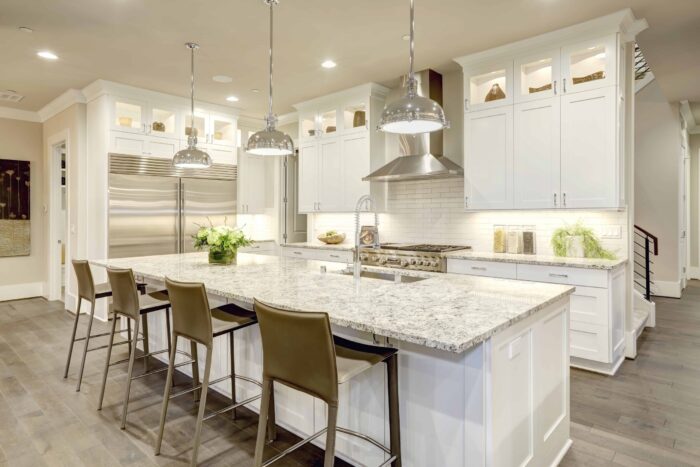
A well-thought-out kitchen layout is a fundamental aspect of timeless design. Consider the kitchen work triangle, which optimizes the placement of the stove, sink, and refrigerator for efficient and ergonomic use.

It’s a classic principle that has been proven effective over the years. Additionally, consider storage solutions like deep drawers, pull-out pantry shelves, and built-in organizers to keep your kitchen organized and clutter-free.

Neutral Color Palettes

While bold colors and patterns may be appealing in the short term, they can quickly become outdated. Choose a neutral color palette for the key parts of your kitchen, such as cabinets, countertops, and backsplash.

This provides a timeless backdrop that allows you to introduce trends through smaller, replaceable items like accessories and decor.

Multi-Functional Islands

Multi-Functional Islands in the kitchen
Source: homedit.com

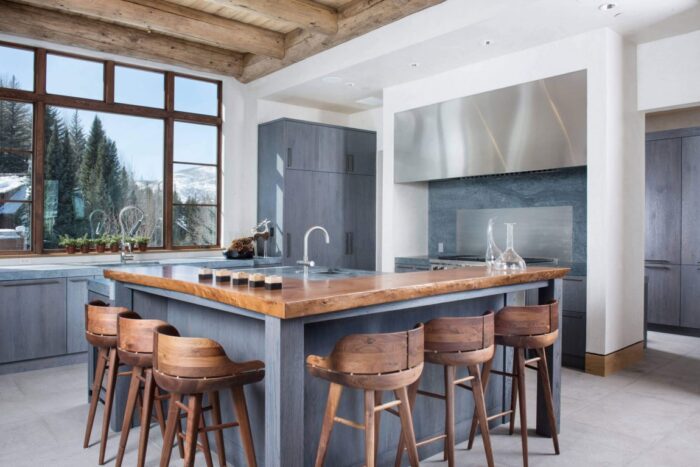
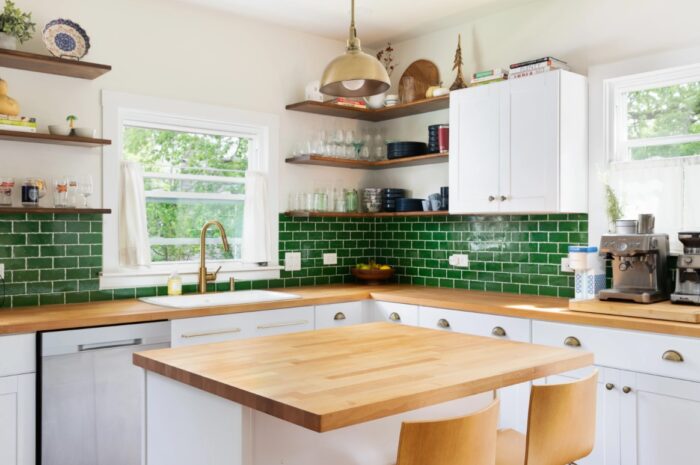
Kitchen islands are a versatile feature, and their design should prioritize functionality. Consider islands with built-in storage, seating, and even cooking appliances.

These multi-functional islands serve both as a design focal point and a practical workspace, ensuring your kitchen remains relevant and adaptable over the years.

Timeless Lighting

The overall atmosphere of your kitchen may be greatly influenced by lighting. Instead of chasing lighting trends, opt for classic fixtures like pendant lights or chandeliers with a timeless design.

These fixtures can be easily updated with new bulbs or shades to suit evolving tastes without a complete overhaul.

Open Shelving with a Twist:

Open Shelving with a Twist
Source: southernliving.com

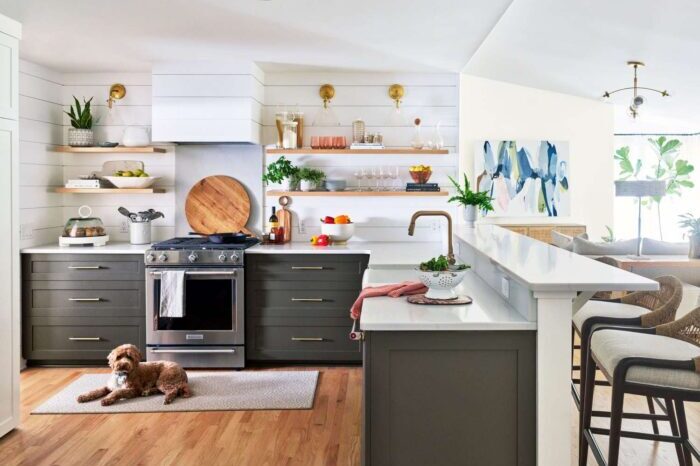
Open shelving is a trendy choice, but it can be challenging to maintain and may lead to clutter. Consider a timeless twist on this concept by incorporating glass-front cabinets. This allows you to showcase your favorite kitchenware while keeping it protected from dust and grime.
Integrated Appliances

Modern kitchen design often leans toward integrated appliances that blend seamlessly with cabinetry. This creates a clean, cohesive look that doesn’t rely on the latest appliance styles. Integrated appliances also tend to have a longer lifespan, reducing the need for frequent updates.

Quality Hardware

Cabinet hardware can be a small but impactful element of your kitchen’s design. Choose high-quality, classic hardware that can endure changes in your kitchen’s overall style. This way, you can easily update the look by changing smaller, less permanent features.

Natural Elements

Natural Elements
Source: homegardenandhomestead.com

Using natural components such as wood, stone, and flora in your kitchen produces a timeless and welcoming feel. These pieces connect your kitchen to the outdoors and provide a timeless sense of warmth.

When it comes to establishing a kitchen design that truly transcends trends, the importance of the right combination of countertops and cabinets cannot be overworked.

The interaction between these two aspects not only sets the tone for the beauty of your kitchen but also determines its usefulness and longevity.

To make the most of this crucial aspect, it’s highly advisable to work with kitchen design experts in Cedar Park who possess the knowledge and experience to guide you through the intricate process.

These professionals can help you select the ideal countertop materials, colors, and finishes that harmonize seamlessly with your choice of cabinetry, ensuring a timeless and enduring look for your kitchen.

Custom Cabinetry

While custom cabinetry may come with a higher upfront cost, it allows you to tailor your kitchen storage precisely to your needs. Custom cabinets can maximize every inch of space and ensure a unique and timeless design that suits your lifestyle.

Quality Countertops

Quality Countertops
Source: fdsdesign.com

Quartz and granite countertops are not only durable but also have a timeless elegance that outlasts fleeting countertop trends. These materials are highly resistant to stains and wear, ensuring a long-lasting, beautiful surface.

For a sleek and modern touch, consider pairing high-quality countertops with glass splashbacks. Their smooth, reflective surface enhances natural light, making the kitchen feel more spacious and inviting. They also offer easy maintenance, as they resist stains and are simple to clean—ideal for maintaining a fresh, polished look for years.

Efficient Appliances

Consider energy-efficient appliances that not only save you money in the long run but also have a classic appeal. Stainless steel appliances, for instance, maintain their popularity due to their durability and timeless appearance.

Durable Flooring

Kitchen floors have taken a beating over the years. Choose materials like hardwood or ceramic tiles, which are known for their resilience and can be refinished or updated without having to replace the entire floor.

Hidden Technology

Incorporating technology into your kitchen can be appealing, but it can also quickly become outdated. To maintain a timeless look, consider integrating technology discreetly. Hidden outlets, under-cabinet lighting, and smart-home features that can be updated easily are good options.

Classic Backsplash

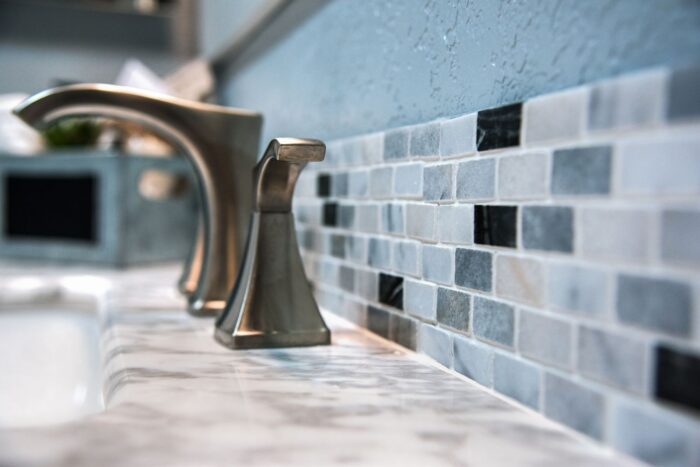
While mosaic and colorful backsplash tiles may be trendy, they can quickly go out of style. A classic subway tile or a neutral-colored, high-quality backsplash can serve as a timeless backdrop for your kitchen.

Personalized Details

To make your kitchen truly unique and timeless, add personal touches. This could include custom-made art, family heirlooms, or unique furniture pieces that reflect your personality and create an environment that feels timeless because it’s uniquely your own.

Natural Light

Incorporate as much natural light as possible into your kitchen. Large windows, skylights, or even a glass door leading to the outdoors can create a bright and inviting space that never goes out of style.

Regular Maintenance

Keeping your kitchen in top condition is vital for a timeless look. Regular maintenance, such as resealing countertops, refinishing wood surfaces, and cleaning grout, can prevent wear and tear and keep your kitchen looking fresh for years.

Flexible Design

A timeless kitchen should be versatile and adaptable to changing needs. Consider a layout and design that can be easily adjusted or expanded as your family grows or your lifestyle evolves.

In conclusion, a timeless kitchen remodel involves a combination of design choices, materials, and maintenance that ensures your kitchen remains both stylish and functional over the long term.

By investing in quality, and classic elements, and considering the flexibility of your design, you can create a kitchen that transcends trends and becomes a cherished space in your home for years to come.

Categories
Home

Tips to Help You Stay Safe in a Natural Disaster

Natural disasters take many different forms. They could be floods, fires, hurricanes, tornadoes, or even severe storms. If you ever have to deal with a natural disaster, it is essential to learn how to stay safe. In this guide, we will cover some tips to help you stay safe in an emergency.

Test and Purify Your Water

Source: forbes.com

During and after the disaster, you should test your water to ensure that it doesn’t have any contaminants. Floods and similar emergencies will usually pollute water with chemicals, sewage, and debris. As a result, your water sources may contain harmful bacteria, viruses, and other parasites. If you’re caught in a flood, you should consider purifying water using methods like reverse osmosis or boiling. The water won’t automatically become safe after the disaster. You can use water testing services to determine whether the water contains any serious contaminants. Some key elements to be wary of include parasites, lead, and asbestos. For the water test, you will need to collect a sample of the water and send it to a lab. You will get the results a few days later with recommendations from experts.

Communicate and Stay Informed

We’re lucky to be living in a world where we can get instant updates on events from around the world. Communication technology is especially important in natural disasters. By watching the news on TV or online, you can determine whether the disaster is set to become worse and can plan accordingly. You can also use social media to update friends and family members on your situation. If necessary, they may be able to offer help before things get out of hand. Following local news can also help you determine when you should evacuate.

Prepare Your Home Adequately

Source: science.howstuffworks.com

Depending on the severity of the storm, you may want to simply stay indoors and wait it out. In this case, you will have to prepare the property adequately. You should consider installing wind-resistant doors, windows, and shutters. This way, your doors and windows will stay intact during the storm. If you don’t have the time for a complex fix, you can simply board up windows and doors using plywood. You should also secure heavy furniture to the walls, especially if you live in a place that is prone to earthquakes.

Get an Emergency Kit Ready

An emergency kit will come in handy if you need to evacuate in a hurry or if you lose power. With a suitable kit, you will save a lot of time and can get through the storm in a smoother manner. Some things to include are a portable radio, torch, first aid kit, candles, waterproof matches, emergency contact numbers, spare batteries, and a waterproof bag.

Conclusion

Natural disasters can happen to any of us. To stay safe, you should stay informed and communicate with friends and family. You should also prepare your home by reinforcing doors and windows. Make sure you also get an emergency kit and purify your water.