Notice: Function _load_textdomain_just_in_time was called incorrectly. Translation loading for the wp-captcha domain was triggered too early. This is usually an indicator for some code in the plugin or theme running too early. Translations should be loaded at the init action or later. Please see Debugging in WordPress for more information. (This message was added in version 6.7.0.) in /www/wwwroot/upnews360.in/wp-includes/functions.php on line 6260
Uttar Pradesh News Portal - Page 2 of 53 -
Categories
Blog

Can Machine-Generated Text Replace Human Creativity in Writing?

Writers everywhere are asking the same question: are we still needed?

As machine-generated text becomes faster, cleaner, and easier to produce, the line between human writing and algorithmic output continues to blur.

Businesses now use automated tools to write newsletters, blog posts, ads, and even books.

Content platforms reward speed and volume. Agencies scale production with tools that promise “human-like” tone in minutes.

It’s not science fiction anymore. It’s standard practice.

But what happens to creativity in all this? Can a machine create something bold, unexpected, or emotionally raw?

Can it write a sentence that feels like it was pulled from someone’s soul?

Or is creativity more than pattern recognition? Is it still something only a human can bring to the page?

This article breaks the myth that automation alone can replace creative writing. Let’s draw the line.

Key Highlights

  • Machines generate clean, consistent text without fatigue.
  • Creative writing depends on emotion, perspective, and risk.
  • Readers recognize when writing feels artificial or empty.
  • Machines remix existing ideas but cannot invent truly original ones.
  • AI content detectors help separate human voice from synthetic output.
  • Writers must adapt, but creativity remains human territory.

Machines Write Fast — But What Are They Really Producing?

Source: workingnation.com

Tools powered by algorithms can generate thousands of words within seconds. They process massive data sets, follow patterns, and never need breaks. For high-volume content needs, that’s gold. Businesses use AI tools to produce landing pages, newsletter outlines, customer support templates, and keyword-optimized articles.

These tools don’t just replicate grammar rules. They optimize for clarity, coherence, and even tone. In industries where consistency matters more than uniqueness, they shine. For example:

  • Technical documentation becomes uniform and easy to maintain.
  • E-commerce descriptions are scalable across large catalogs.
  • FAQs and help sections follow logical flow without gaps.

However, just because something is readable doesn’t mean it’s impactful. Clarity is not the same as insight. And information is not the same as inspiration.

Machines operate on what has been written before. They reassemble language based on statistical likelihood. They do not invent. They do not care. They do not observe reality. Their “creativity” is borrowed — never born.

What’s Still Missing? Emotion, Conflict, Meaning

Human writing works because it mirrors life. A person who writes from experience brings emotion into every line — even if that emotion is restraint, sarcasm, bitterness, or joy.

When someone writes about heartbreak, loss, risk, or love, readers recognize something familiar. That familiarity builds trust. Machines can copy tone. But they cannot replicate context. They don’t know what it means to feel overlooked. They don’t get tired of censorship. They don’t fight shame or reach for hope.

Let’s take fiction as an example. AI can describe a room, generate a plot, or even build a character with defined traits. But a writer can breathe trauma into a silence, add tension to a glance, or shift the reader’s focus with one unexpected word.

Writers bend reality to reveal truth. Machines follow structure to imitate it.

How AI Content Tools Blur the Line

Source: recraft.ai

There are moments when machine-generated text passes as human. Especially in generic formats — listicles, summaries, SEO blurbs, etc. But the illusion doesn’t last when the subject requires original thought.

That’s where a tool like an AI content detector comes into play. ZeroGPT’s detection system analyzes layers of syntax, structure, and linguistic patterns. It doesn’t just look for repetition or awkward phrasing. It uses deep learning models to identify signs of synthetic origin — even in well-written text.

The fact that we even need tools like this reveals something important: readers want authenticity. They’re not just scanning for keywords. They’re scanning for life. And that’s something even the cleanest algorithm can’t fake.

The Power of Risk and Original Voice

Good writing often breaks the rules. It jumps out of expected patterns. It leaves fragments, rewrites clichés, starts with verbs, or ends without closure. Risk is part of its charm.

Machines are programmed to avoid risk. They write to please. They avoid offense, oddity, or contradiction. As a result, AI-generated writing tends to sound safe, flat, and hollow.

A human writer, on the other hand, might open with a messy confession. Or build a story around an unpopular opinion. Or expose a hidden fear through metaphor. These are not safe moves. But they’re what make writing unforgettable.

Creativity thrives on tension. Machines avoid it.

What Readers Actually Want

Readers aren’t just looking for correct spelling and sentence flow. They’re searching for resonance. They want to feel spoken to, not processed through. They want to be surprised. They want insight they haven’t read a hundred times already.

Machine-generated content often lacks specificity. It generalizes. It repeats known advice. It hedges, flattens, and evades emotional edges.

That’s why readers abandon most AI-generated writing quickly. Even when it’s structured well, it lacks momentum. There’s no urgency to keep reading. No emotional engine underneath.

Machines Can Help Writers — But Not Replace Them

Source: machinescience.org

Let’s be clear: smart writers use tools. They always have. Spellcheck, grammar suggestions, headline analyzers, readability scores — all of these are tools. AI text tools can speed up research, generate outline suggestions, summarize long reports, and even draft first passes.

But the final draft? That belongs to the human hand.

Machines don’t know the context of the audience. They don’t understand the subtle difference between a tone that inspires and a tone that manipulates. They don’t know when to pause for impact or stretch a moment into suspense.

Writers decide when to hold back and when to strike. Machines don’t make those choices. They follow probabilities.

Original Ideas Still Come From Real Life

Creativity doesn’t exist in a vacuum. It forms in traffic jams, overheard conversations, heartbreak, late-night thoughts, and shared laughs. Writers draw from culture, history, music, failure, and memory.

A person writing about grief brings their own loss into the structure of a sentence. A person describing injustice brings their frustration into the rhythm of a paragraph.

Machines don’t get frustrated. They don’t reflect on identity. They don’t evolve through experience. They don’t age, love, or dream.

They scrape. They copy. They remix.

That’s not creativity. That’s reproduction.

Will the Line Keep Blurring? Yes. But Readers Will Still Notice

AI models will keep improving. Their tone will become more believable. Their phrasing will get cleaner. But readers — especially sharp, emotionally-aware ones — will still notice.

There’s a human rhythm to real writing. A flaw, a pause, an echo of something personal. And until machines can live through pain, joy, contradiction, regret, and risk — they will always come second in creative writing.

Final Thoughts — Use the Tool, Don’t Become It

Source: linkedin.com

Creativity is not a task. It’s not productivity. It’s not about completing a quota. It’s about making meaning.

Machine-generated content has a place. But human creativity cannot be replicated by lines of code. It can be studied. Simulated. Approximated. But not replaced.

So yes — use the tools. Let them help. Let them clean the mess. But when it’s time to speak truth, offer perspective, or tell a story only you can tell — step forward.

Because machines don’t know what it means to care. But writers do.

Categories
Casino

How to Bluff in Poker? A Beginner’s Guide to Outwitting Your Opponents

Bluffing separates casual players from serious ones. It’s not just about lying—it’s a strategic move that demands timing, observation, and nerve. If you want to win big, you’ll need to bluff well. This guide walks you through the basics of how to bluff, when to do it, and what to watch for. Poker isn’t just luck—it’s a psychological game.

Key Highlights

  • Bluffing works when your story at the table makes sense to others.
  • Timing matters more than the cards in your hand.
  • Watch opponents closely—bluffing is easier against predictable players.
  • Semi-bluffs can build your stack without taking wild risks.
  • Confidence beats hesitation—know what you want to say with your bet.

Why Bluffing Works in Poker

Why Bluffing Works in Poker
Source:youtube.com

Bluffing forces your opponents to fold better hands. That’s the whole point. You use their fear, doubt, or misunderstanding of your moves against them. When you bluff, you’re telling a story—one that convinces others you have a better hand than you do.

Bluffing isn’t about acting tough. It’s about creating doubt in others’ minds. You raise when they expect you to fold. You show aggression at the right moment. You take advantage of what they think you might have.

Bluffing also gives you control. When done right, it keeps your table image unpredictable. That way, even your strong hands become more profitable. They won’t know if you’re holding trash or gold—and that’s your edge.

Online Poker Bluffing – Is It Different?

Bluffing online is different from live play. You can’t read facial expressions or body language. But online poker gives you more data—bet timing, bet sizing, and frequency tell their own story.

One of the top platforms to explore this type of play is GGpoker. It was first launched in 2017 and quickly expanded beyond Asia. The platform runs under a license from the Isle of Man Gaming Authority and offers access to all types of players through desktop and mobile.

With solid software and a large player base, it gives you endless opportunities to test bluff strategies. You’ll find weak players, aggressive ones, and everything in between. That’s where bluffing earns you profit—by exploiting habits and patterns. For more information about this platform check out this GGPoker review.

Spotting the Right Moments to Bluff

You should never bluff at random. Random bluffing is how you lose chips fast. You need a reason to think your opponent will fold. Look for these spots:

  • Tight players in late position
  • Scare cards on the turn or river (like an Ace or a flush card)
  • Check-check situations where no one is showing strength

The best bluff happens when you represent a hand that your opponent thinks you might have. For example, if you raised pre-flop, then bet on the flop and turn, you can often bluff the river to represent a strong made hand—even when you missed everything.

But never try to bluff a player who won’t fold. Some players just love to call. They don’t care about logic. Don’t bluff those players. Instead, value bet your strong hands and take their chips honestly.

Semi-Bluffs – Safer and Smarter

Semi-Bluffs
Source: blog.gtowizard.com

A semi-bluff is when you bet or raise with a drawing hand—one that isn’t strong yet, but could improve. Think of hands like:

  • A flush draw with two suited cards
  • An open-ended straight draw
  • Two overcards on a low flop

With a semi-bluff, you win in two ways: your opponent folds, or you hit your hand later. That’s why semi-bluffing is a favorite tactic among good players. You aren’t just gambling. You’re adding fold equity to your draws.

If you only bet when you hit, others will catch on. You’ll never get paid. But if you mix in bluffs, you balance your range. That means opponents can’t be sure what you hold—so they make mistakes. Mistakes equal profit.

Reading Your Opponents First

Before you start bluffing, observe. Watch your opponents carefully. Pay attention to:

  • How often they fold to bets
  • How they react to pressure
  • What hands they show at showdown

You’ll notice patterns. Some players bet big when they’re weak. Others slow play monsters. Some never fold top pair. Others panic when the board looks scary. File it all away. You’ll use it later.

Adjust your bluffs based on each player’s habits. Against weak-passive players, use small, believable bets. Against tight-aggressive ones, you can apply big pressure. But always tailor your bluff to the person, not just the cards.

How to Sell the Bluff

Your bluff only works if it tells a believable story. Ask yourself: does my action make sense with the hand I’m pretending to have?

Let’s break it down:

Pre-Flop

If you raise pre-flop, you’re saying you have a strong starting hand. Continue that story. Don’t check the flop like a coward—fire a continuation bet if the board helps your supposed range.

Flop

Did the flop bring an Ace or King? That’s good for your story. Bet with confidence. Represent a big hand even if you missed.

Turn

Many players hesitate here. That’s your chance to shine. Use the turn to apply pressure. If a scare card hits (like a third flush card), use it.

River

Here’s the hard part. Bluffs on the river should be rare but deadly. You’re saying: “I was strong the whole way.” If your previous bets make sense, they’ll believe you.

But bluffing the river without a plan is suicide. Never try it against a calling station. Save that play for players who can fold big hands.

Bluff Sizing Matters

Size your bluffs to look like value bets. Don’t overdo it. If the pot is $100, a $70 bluff might look legit. A $200 bluff might scream desperation.

Pay attention to bet sizing trends at your table. Match them. You want your bluff to blend in, not stand out. When players start folding too easily, increase pressure. When they start calling everything, back off.

Keep your sizes consistent whether you’re bluffing or betting for value. That way, no one can read you.

When Not to Bluff

Some spots are just bad for bluffing. Walk away. Wait for a better time. Avoid bluffing when:

  • The board hits your opponent’s range hard
  • You’re up against multiple players
  • You have no backup equity (no outs)
  • You’ve been caught bluffing already several times

You need credibility. If your image is wild and reckless, your bluffs won’t work. Build a tight image first. Then bluff.

Also, bluffing doesn’t mean you’re weak. Strong players bluff with purpose. Weak ones bluff out of fear. Don’t bluff because you don’t know what else to do. Bluff because you know it will work.

Final Words – Confidence Wins Pots

Bluffing in poker
Source: ultimatepokercoaching.com

Bluffing in poker is about storytelling, psychology, and timing. But more than anything, it’s about confidence. If you don’t believe your own bluff, no one else will.

Learn to read the table. Think before you bet. Use semi-bluffs to build pressure without reckless risk. Mix it up so you’re hard to read. The best bluffers aren’t loud or dramatic—they’re cool, calculated, and consistent.

Keep practicing. Try different spots. Watch the pros. Study their moves. Then bring that knowledge to your next hand.

Make them fold. Make them doubt. Make them pay.

Categories
Tips

How to Clean a Stained Couch – Tips for Removing Marks and Odors

A study found that the average sofa holds more bacteria than a toilet seat. Shocking? Probably. But let’s be honest, it makes sense. People eat, nap, spill, and even let their pets lounge on it. Stains and odors don’t just ruin the look, they also invite bacteria to settle in like they own the place. If ignored, this buildup turns into a health hazard. A few bad cleaning habits can make things worse, so understanding the right methods is key.

Key Points

  • Different stains need different cleaning approaches.
  • Odors require deep treatment, not just a quick spray.
  • Everyday household items work better than expensive products.
  • Proper maintenance prevents long-term damage.
  • Professional services help when DIY methods fail.

The Best Way to Remove Stains and Odors From a Couch

Source: thespruce.com

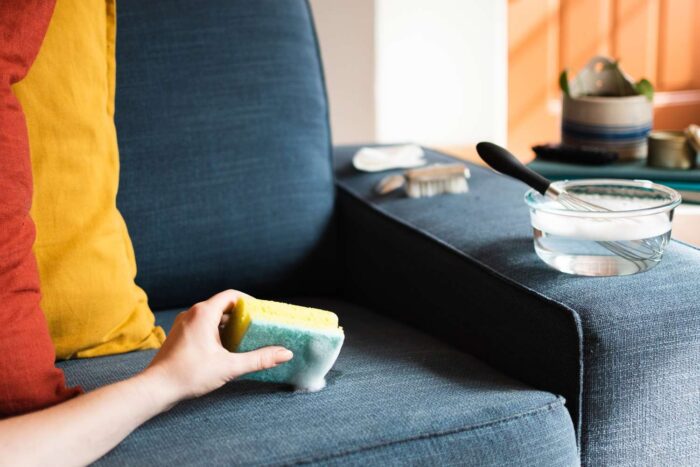
A stained couch can ruin the whole aesthetic of a room. It doesn’t matter if the rest of the space is spotless—once the couch looks dirty, everything else seems neglected. Cleaning it doesn’t have to be a struggle. Different stains need different techniques, and the right approach keeps the fabric safe.

Before attempting anything, check the manufacturer’s label. Some materials tolerate water-based treatments, others need dry solutions. Spot-test a small hidden area first to avoid disasters.

For a deep, hassle-free refresh, house cleaning services in New York City can handle everything professionally. If DIY feels overwhelming, professionals can save time and effort while ensuring the best results.

Common Stains and How to Remove Each One

Grease and Oil Stains Need Special Absorption Methods

Oil-based stains don’t come out with water alone. They require something to absorb the grease before any cleaning solution can work.

  • Sprinkle baking soda over the affected area.
  • Let it sit for 15 minutes to absorb the grease.
  • Vacuum or brush it away before applying a mild dish soap solution.
  • Blot with a damp cloth—never scrub.

Wine or Juice Stains Can Set Fast If Not Treated Immediately

Source: thespruce.com

Red wine or juice spills leave behind some of the most stubborn marks. Acting fast prevents permanent discoloration.

  • Dab (not rub) with a paper towel to soak up excess liquid.
  • Mix hydrogen peroxide and dish soap (1:2 ratio) and apply.
  • Blot gently and let it air dry.

Coffee Stains Require a Gentle Acidic Approach

Coffee stains might look impossible to remove, but vinegar works wonders in breaking down tannins.

  • Mix equal parts water and vinegar.
  • Blot with a clean cloth until the mark fades.
  • Use a mild soap to remove any lingering smell.

Ink Stains Need Alcohol-Based Solutions

Pen marks on a couch? No need to panic—rubbing alcohol can lift the ink before it sets.

  • Dab alcohol onto a cotton ball and press onto the stain.
  • Let it sit for a minute before blotting away.
  • Repeat until the mark lifts.

How to Remove Odors Without Harsh Chemicals

Source: prosofaclean.com.au

Sometimes, a couch smells worse than it looks. Dealing with bad odors means getting rid of whatever caused them, not just masking the issue.

Effective Odor Removal Methods:

  • Baking soda treatment: Sprinkle over the entire surface, let it sit overnight, and vacuum thoroughly.
  • White vinegar mist: Lightly spray diluted vinegar (1:1 with water) and let it air out.
  • Activated charcoal: Place small bowls of charcoal nearby to absorb lingering smells.
  • Sunlight exposure: If possible, let the couch sit in the sun for a few hours.

Fun Fact: Couches can trap sweat and body oils, making them smell worse over time. Regular deodorizing prevents this buildup!

Fabric vs. Leather – The Best Cleaning Approach for Each Type

Fabric Couches Need Gentle, Water-Based Cleaners

  • Always blot, never rub.
  • Use mild dish soap for most stains.
  • A handheld vacuum prevents dirt buildup.

Leather Couches Require Special Conditioners

  • Wipe with a damp microfiber cloth.
  • Use a leather conditioner to prevent cracks.
  • Avoid excessive moisture to protect the material.

The Most Common Mistakes People Make When Cleaning a Couch

Source: sofabed.com

Mistakes lead to permanent damage. Some things might seem like a good idea but can actually worsen the problem.

Things to Avoid:

  • Too much water – Fabrics soak up water quickly, leading to mold.
  • Harsh chemicals – Some cleaners strip fabric and leather coatings.
  • Scrubbing too hard – Weakens fabric and spreads the stain.
  • Skipping regular maintenance – Makes stains harder to remove later.

DIY Solutions for Spot-Cleaning Any Fabric Type

A homemade mix can tackle most messes without damaging the surface. Safe, cheap, and effective.

Simple DIY Solution:

  • 2 cups warm water
  • 1 teaspoon dish soap
  • 1 tablespoon vinegar

Mix well, apply with a microfiber cloth, and blot the affected area gently.

How to Protect Your Couch from Future Stains

Preventing a mess saves time and effort in the long run. With a few precautions, you can keep your couch looking fresh for years.

  • Use slipcovers: Protect against spills and pet messes.
  • Vacuum weekly: Prevents dirt from settling into the fabric.
  • No eating on the couch: Reduces accidental spills.
  • Rotate cushions: Ensures even wear and tear.
  • Keep pets off or use pet-friendly covers.

How Often Should You Deep Clean a Couch?

Source: theenglishsofacompany.co.uk

Regular maintenance prevents deep stains and odors. But how often should you deep clean? The answer depends on use.

  • Every 6 months for light use: If the couch isn’t used daily, a deep clean twice a year is enough.
  • Every 3 months for high-traffic areas: Households with kids and pets should clean more often.
  • Every month for allergy sufferers: Dust and dander build up fast, triggering allergies.

When to Call a Professional Cleaner

Sometimes, home solutions don’t work, and stains refuse to budge. If bad odors stick around, a deep steam treatment might be necessary.

Signs a Professional Cleaner is Needed:

  • Mold or mildew appears.
  • Large stains that don’t fade.
  • Persistent pet odors.
  • Delicate materials requiring special care.

Final Thoughts on Keeping a Couch Stain-Free

A stained couch doesn’t mean it’s ruined. A good cleaning method makes a huge difference. Whether dealing with old stains or preventing future ones, regular upkeep helps avoid costly damage. And when DIY efforts don’t work, a professional service takes care of everything hassle-free.

Keeping a couch in good shape isn’t impossible—it just takes the right techniques and a bit of consistency.

Categories
Finance

5 Ways Moms Can Make Money While the Kids Are at School

As a mom, finding ways to bring in extra income without sacrificing family time can feel like a challenge. When the kids are at school, you have a window of opportunity to focus on something for yourself—and maybe even boost your bank account. I’ve been there, and trust me, it’s possible to find something rewarding and flexible.

Here are five practical ways to earn money while still being the rockstar mom you are.

1. Freelancing: Turn Skills Into Income

Source: workitdaily.com

Think about what you’re good at. Are you a great writer, designer, or social media guru? Freelancing could be the perfect fit. Websites like Upwork, Fiverr, and Toptal let you connect with clients from all over the world. The beauty of freelancing is its flexibility—you can work on your own terms and schedule projects around school pick-ups and other family commitments.

Ideas for Freelancing:

  • Writing blog posts or articles
  • Managing social media accounts
  • Designing logos or websites
  • Virtual assistant work

It’s amazing how many opportunities are out there once you put yourself out there!

2. Start a Side Job – Nebenjob

A Nebenjob—or side job—can be a great way to bring in extra cash without committing to a full-time position.

3. Sell Handmade or Vintage Items Online

If you’re crafty or have an eye for unique finds, online marketplaces like Etsy or eBay might be your calling. Whether it’s handmade jewelry, custom T-shirts, or vintage collectibles, you can turn a passion into a profitable venture.

Tips for Success:

  • Take quality photos of your items
  • Write clear and catchy descriptions
  • Be prompt with responses and shipping

Starting small can lead to a steady side income—and it’s so satisfying to see your creations out in the world!

4. Teach or Tutor

Source: emaester.com

Do you have expertise in a certain subject or skill? Teaching can be incredibly rewarding and lucrative. Platforms like VIPKid allow you to teach English to students in other countries, or you could offer in-person tutoring sessions for kids in your local community.

If academic subjects aren’t your thing, consider teaching something like:

  • Piano or guitar lessons
  • Baking or cooking classes
  • Yoga or fitness training

There’s something so fulfilling about sharing your knowledge with others.

5. Take Advantage of Remote Job Opportunities

Remote work is booming, and many companies now offer part-time roles that you can do from the comfort of your home. Positions like customer service representative, data entry specialist, or content creator often have flexible hours, making them perfect for parents.

Where to Look:

  • LinkedIn
  • FlexJobs
  • co

A steady remote job can give you a reliable paycheck while still allowing you to be present for school events and after-school activities.

Final Thoughts

Source: printify.com

Earning money while the kids are at school doesn’t have to be stressful or overwhelming. It’s all about finding something that fits your skills, interests, and schedule. Take it one step at a time, experiment, and give yourself grace along the way. You’ve got this—and who knows? That side hustle might just turn into your next big thing.

Categories
Casino

Gambling News for Users of Online Casino CasinoLab

Fans of gambling entertainment should follow what is happening in the industry. Staying updated ensures players are aware of new developments, regulations, and opportunities that can enhance their experience.

It also allows them to explore innovative features and trends that could improve their chances of success. Understanding these changes can make gaming more enjoyable and rewarding.

This applies to those who play at online casino CasinoLab – current gambling news for guests of online casino CasinoLab are listed below.

Key Points:

  • Nevada casinos now allow gaming accounts for in-house purchases.
  • The innovation boosts convenience and eliminates withdrawal fees.
  • Pragmatic Play launched Money Stacks Megaways with bonus options.
  • The new slot offers 117,649 ways to win and unique features.
  • Testing slots in demo mode minimizes financial risks.

Using Gaming Accounts for Purchases in Nevada Casinos

Source: imarcgroup.com

Guests of online casino CasinoLab should know that the Nevada Gaming Commission has allowed casino operators to give customers the opportunity to use their accounts not only for betting. Now this money is available to pay for goods and services in restaurants, shops, and other locations located within the gambling establishment.

The original proposal was to allow customers to use their gambling accounts outside of the casino and even in other states. However, this did not happen as the regulator is keen to ensure that the money stays in Nevada one way or another.

Commissioner Brian Krolicki said the changes are aimed at supporting the state’s gaming industry. They will make the sector more competitive with other jurisdictions in the US. Also, the representative of the Nevada Gaming Commission emphasized that the idea was actively promoted by Sightline Payments, which has many more plans to develop the gambling business.

Benefits of Using Gaming Accounts for In-House Purchases

The new policy provides several advantages for both customers and operators.

  1. Convenience ─ Players can use their winnings to enjoy meals, shopping, or entertainment without the need to withdraw funds.
  2. Cost efficiency ─ Operators save millions annually by eliminating unnecessary fees associated with cash transactions.
  3. Encourages spending ─ By keeping money within the establishment, the policy benefits the overall casino ecosystem.

Technical possibilities for the implementation of the decision already exist. The head of Sightline’s legal service Jennifer Carlton explained that the innovation eliminates the need to withdraw funds and pay commissions for their further use. According to her, this change is also favorable to operators, as it will help to avoid unnecessary costs, now reaching several million US dollars a year.

As a result, the innovation should make visiting casinos even more convenient for customers. Now they won’t need to withdraw their winnings to use the funds to pay for other services inside the establishment.

Money Stacks Megaways ─ New Slot by Pragmatic Play

Source: royalpanda.com

Provider Pragmatic Play announces the release of a slot machine from the Megaways series. The new video slot has been named Money Stacks. In addition to the mechanics of Megaways, it has added a bonus game and other options that provide the opportunity to give out additional prizes.

The field in the new machine contains 6 reels. Inside them rotate rows of symbols that can expand up to 7 cells. The maximum number of options for collecting prize combinations is 117,649.

One of the features of video slot Money Stacks Megaways is the presence of a bonus game. It is activated when falling out 3-6 scatter. After that, the user of online casino CasinoLab is offered a choice of one of two modes:

  • 7-15 freespins with wilds with built-in multipliers.
  • 2-7 free spins with guaranteed Collect or Super Collect images with random payouts ranging from 0.5 to 1000 bets.

You can also select one or more modifiers before the bonus game starts. They provide additional free spins and increased bet multipliers.

The machine is also endowed with a drop option. It is activated when collecting any prize combination. All participating symbols explode, and new images appear in their places. Repeated rotations of the drums can continue indefinitely.

How to Choose the Best Slots at CasinoLab

Selecting the perfect slot game is not just about chance; it requires thoughtful consideration of features and preferences. With a wide variety of games available at CasinoLab, understanding what to look for can help you make smarter choices and enhance your overall experience. Here’s a step-by-step guide to finding a slot that suits your gaming style:

  1. Game mechanics ─ Look for slots with innovative features like cascading reels, expanding wilds, or interactive bonus rounds that add excitement to gameplay.
  2. Payout potential ─ Check the RTP (Return to Player) percentage—a higher RTP means better long-term payout potential. Games with an RTP above 96% are generally considered favorable.
  3. Theme and visuals ─ Choose a theme that resonates with your interests, such as mythology, adventure, or classic fruit machine designs. A visually appealing game adds to the entertainment value.
  4. Bet range ─ Ensure the game accommodates your budget, whether you prefer low-stake spins or high-risk betting.
  5. Demo mode availability ─ Test the game in demo mode to familiarize yourself with its rules, features, and overall feel before committing real money.

Exploring Responsible Gambling at CasinoLab

Source: moviesgamesandtech.com

Responsible gambling ensures a sustainable and enjoyable experience for all players. Some essential practices include:

  • Set limits ─ Define daily, weekly, or monthly spending limits to control your budget.
  • Take breaks ─ Regular pauses during gaming sessions help maintain focus and prevent fatigue.
  • Know when to stop ─ Recognizing signs of overindulgence is crucial to staying in control.

Adopting these habits enhances your experience and ensures it remains fun and within your control.

Conclusion

Online casino CasinoLab continues to provide exciting updates, from innovative payment methods in Nevada casinos to thrilling new slot releases like Money Stacks Megaways. By staying informed, testing games in demo mode, and exploring unique features, players can enjoy an optimized gaming experience.

Always keep an eye on updates to enhance your strategy and make the most of your time at CasinoLab.

Categories
Casino

What Your Favorite Casino Game Says About Your Personality

Casinos draw people with promises of fortune and fun, but your choice of game might say more about you than your wallet. Poker players, slot enthusiasts, and roulette fans all seem to carry distinct traits, quirks, and styles. Could your personality explain your preferences? Let’s find out.

Key Points

  • Poker enthusiasts thrive on strategy and confidence.
  • Slot players are drawn to simplicity and thrill-seeking.
  • Roulette fans love risk and the allure of chance.
  • Blackjack players lean on logic and calculated risks.
  • Game choices might reflect deeper psychological traits.

Do Poker Players Always Have the Upper Hand?

Poker players often carry a reputation for being bold, analytical, and strategic. They know how to bluff, read opponents, and keep a straight face under pressure. But are poker players really the masterminds they appear to be?

Studies suggest that poker enthusiasts tend to be competitive thinkers. They prefer games where their decisions influence the outcome. This attraction to strategy could mean they are confident problem-solvers in daily life. But not every poker player is a genius at the table. Luck plays a role too, and even the sharpest players lose to unpredictable hands.

If you love poker, you likely enjoy control and crave intellectual challenges. Just remember that your nerves and skills aren’t immune to bad draws.

Source: medium.com

What About Slot Machine Enthusiasts?

Slots are famous for their simplicity and fast-paced excitement. Unlike poker, slot players rely entirely on chance. But does that mean slot enthusiasts lack strategy or depth? Not exactly.

Fans of slot machines often prioritize fun over control. They may approach life with a go-with-the-flow attitude, finding joy in spontaneity. For many, the thrill of spinning reels symbolizes optimism and hope.

If slots are your go-to, you may enjoy life’s simpler pleasures without getting bogged down by overthinking. Interested in exploring more slot-based options? Sites like 168 Casino Online offer an array of slot games, plus other exciting choices, with quick deposits and withdrawals.

Is Roulette a Game for Risk-Takers?

Roulette fans are known for their love of suspense and drama. Few games build tension like a spinning wheel, and that’s exactly why it attracts bold personalities. If roulette is your favorite, you might thrive on unpredictability.

Placing a bet on a single number feels daring, but some prefer to hedge with safer outside options like red or black. This balance of risk and caution suggests that roulette players often mirror this duality in life. They’re not reckless, but they don’t shy away from high-stakes situations either.

Roulette may appeal to people who find excitement in uncertainty. Its simplicity makes it accessible, yet the element of chance keeps it thrilling.

Does Blackjack Attract the Calculators of the World?

Blackjack stands out as a game of numbers. Success hinges on strategy and probability, making it a favorite among logical thinkers. Players who excel in blackjack often enjoy puzzles and problem-solving, qualities that show in their personal lives too.

However, there’s a misconception that blackjack is purely about intellect. Emotional control plays an equally important role. Decisions at the table test patience, discipline, and focus.

If you find yourself drawn to blackjack, chances are you prefer calculated risks over blind luck. You weigh your options carefully, both in games and in life.

Source: casino.borgataonline.com

Do High Rollers Really Get Special Treatment?

The lifestyle of high rollers often seems glamorous, but is it all perks and privileges? Casinos pull out all the stops for big spenders—lavish suites, exclusive tables, and personal hosts are just the beginning.

However, the pressure on high rollers can be intense. Big bets mean bigger losses and the emotional highs and lows are exhausting. High rollers may enjoy the VIP lifestyle, but it’s not without its costs.

If you aspire to this level of play, ask yourself whether the rewards outweigh the risks. High stakes might feel thrilling, but they demand serious discipline.

Why Do Some People Stick to Only One Game?

Many players gravitate toward one game, avoiding others entirely. This could come down to comfort or familiarity, but it often reflects personality traits.

  • Loyalists ─ Some players stick to what they know, valuing routine and predictability.
  • Explorers ─ Others like to dabble, chasing variety and excitement.
  • Strategists ─ Many pick games that align with their strengths, whether logical or emotional.

What does your game say about you? Your choice may reveal whether you thrive on strategy, spontaneity, or simple fun.

Are Myths About Games Just Marketing Tricks?

Myths about casino games often blur the lines between reality and fantasy. Believing in “hot streaks” or “lucky machines” influences behavior, but do those ideas hold any truth?

Research shows that human brains are wired to find patterns, even when randomness rules the outcome. This explains why some players swear by rituals or strategies that defy logic.

While myths make gambling more engaging, they’re not a recipe for success. Stick to strategies backed by math and probability for better results.

Source: thephatstartup.com

What’s the Psychology Behind Big Bets?

Placing big bets involves more than money. It taps into emotions like pride, fear, and ambition. For some, a big bet signals confidence. For others, it’s a cry for excitement or validation.

Studies reveal that high-stakes players often experience emotional rushes similar to extreme sports enthusiasts. The allure isn’t just about the potential payout; it’s about the thrill of uncertainty.

If you’re drawn to big bets, ask yourself what drives your choices. Are you chasing excitement or trying to prove something? Self-awareness can save you from reckless decisions.

What’s the Real Takeaway About Game Preferences?

Your favorite casino game may reflect your personality, but it doesn’t define you. Poker players aren’t always masterminds, and slot enthusiasts aren’t always carefree. Game choices mix skill, chance, and personal taste.

Instead of reading too much into preferences, enjoy the games responsibly. Whether you love poker, slots, or roulette, the key is knowing your limits and playing smart.

Casino games can entertain and challenge you, but they shouldn’t dictate your self-worth or behavior. Keep a balanced approach, and you’ll enjoy the thrill without falling into traps.

Categories
Blog

VOD vs. IPTV ─ Which Offers the Better Value for Your Entertainment Budget?

The way we consume entertainment has evolved dramatically over the years. Gone are the days when cable television and DVDs dominated our media habits.

Today, digital platforms and internet-based services have reshaped the landscape, offering more personalized and flexible options.

Two of the most popular solutions are Video on Demand (VOD) and Internet Protocol Television (IPTV).

Let us talk about them in greater detail.

Key Differences Between VOD and IPTV

When comparing VOD and IPTV, it’s essential to look at how each delivers content to the viewer. VOD allows users to access pre-recorded content on demand, offering the ultimate flexibility to watch what they want, when they want.

In contrast, IPTV operates like traditional television but over the internet, providing live streams and scheduled programming that mimic the experience of cable TV. This fundamental difference sets the tone for how users engage with these services.

Flexibility is another critical distinction. VOD platforms excel in offering unmatched convenience, allowing viewers to binge-watch series or movies at any time. IPTV, while less flexible, appeals to those who value live broadcasts, such as sports or news, and the structure of scheduled shows.

Cost structures also vary significantly. While VOD services often operate on a subscription basis for each platform, this can result in costs quickly adding up if multiple services are used. IPTV, like Nordic IPTV, typically bundles live TV with on-demand features, offering a more consolidated billing approach.

Technological requirements play a role in the decision-making process.

VOD usually demands a device such as a smartphone, tablet, or smart TV and a stable internet connection. IPTV, in addition to these needs, may require specialized hardware like set-top boxes, which could increase initial setup costs.

Content variety also separates the two, with VOD focusing on exclusive and original programming, whereas IPTV provides a broader range of channels and access to niche content, appealing to those seeking variety.

Interactivity is another factor that differentiates the two. IPTV often incorporates interactive features like live polls or quizzes, adding an engaging element to the viewing experience. VOD, on the other hand, focuses on user control, offering watchlists, personalized recommendations, and playback options.

Source: pcpress.rs

Pros and Cons

VOD has its strengths in flexibility and exclusive content. It allows viewers to watch on their own schedule and provides access to highly sought-after original programming.

It can also be a cost-effective choice if users stick to a single platform or utilize ad-supported models. However, accumulating subscriptions to multiple platforms can lead to a fragmented and expensive experience, and live TV options are often limited or non-existent.

IPTV stands out with its bundled services and access to live television combined with on-demand options. The quality of streaming is often stable, making it a reliable choice for households that prioritize live events and traditional TV.

Yet, the need for additional hardware and less flexible viewing schedules can deter some users, along with the higher initial costs associated with setting up the service.

Choosing the Right Option

Selecting between VOD and IPTV ultimately depends on individual preferences, habits, and budgets. For those who enjoy live events, news, or sports, IPTV offers a comprehensive solution with robust channel offerings and bundled features.

It’s also an ideal option for traditional TV enthusiasts who seek a seamless experience combining live and on-demand content.

Conversely, VOD is perfect for viewers who value flexibility and exclusive programming. With the option to watch at any time, it caters to users with varied schedules or those who prefer to avoid the rigid structure of live TV.

Budget-conscious viewers can also take advantage of ad-supported models or choose a single platform to reduce costs.

Device compatibility and internet speed should also influence the decision. If your internet connection is strong and you own compatible devices, both options can be viable. However, those unwilling to invest in additional hardware may lean toward VOD.

Source: techrasa.com

The Bottom Line

VOD and IPTV each bring unique benefits to the table. VOD offers unmatched flexibility and access to exclusive content, making it an excellent choice for viewers with busy schedules or specific tastes.

IPTV provides a more traditional television experience with the added advantage of internet-based delivery, catering to those who prioritize live events and bundled services.

The best choice will depend on your viewing habits, budget, and technological capabilities.

Categories
Blog

Legal Considerations for Foreigners Buying Property in Nusa Penida

Nusa Penida has become a hot spot for foreign investors, drawn by its stunning scenery and promising returns. But before jumping into property ownership, there are legal considerations every foreign buyer should know. Navigating the laws in Indonesia can be tricky, especially in this popular island region. I’ve compiled some key points to help you avoid common mistakes and ensure a smooth property purchase.

Key Points:

  • Foreigners cannot own freehold property in Indonesia.
  • Leasehold agreements are the main option for foreign buyers.
  • Nominee structures, though common, are legally risky.
  • IMB (Building Permit) and environmental clearances are required.
  • Legal consultation is crucial to avoid pitfalls.

Foreign Ownership Restrictions in Indonesia

Source: 3ecpa.co.id

In Indonesia, foreigners are not allowed to own freehold property directly. The government has strict regulations to ensure that only Indonesian citizens hold freehold titles. As a foreigner, your best option would be to go for a leasehold agreement. A leasehold grants you the right to use the land for a specific period—usually 30 years, with the possibility to extend for another 20 years.

The leasehold option is a safe legal route and allows you to invest in property without breaking any laws. There is also the Right to Use (Hak Pakai) title, which can be applied to certain types of properties, like apartments or commercial spaces. It’s a bit more complicated but worth looking into if you want something long-term.

The Leasehold Option in Nusa Penida

Leasehold property is common in tourist areas like Nusa Penida. If you’re thinking about buying land here, consider leasehold as a safer and legally sound option. With Nusa Penida real estate becoming more attractive for tourism-based businesses, this option works well for hotels, restaurants, or villas. You can secure a long-term lease for your dream property by visiting sites like Nusa Penida Real Estate, which offers ready-to-build land in prime locations. This option is safer than attempting to navigate the legal hurdles of full ownership.

The rising demand in Nusa Penida has driven property prices up, but investment returns remain promising. Land prices vary greatly depending on proximity to the coast or popular spots like Crystal Bay. On average, you can expect to pay anywhere from IDR 300 million to over IDR 1 billion per acre (100 square meters), but those numbers can fluctuate as development continues.

Nominee Structures: Risky but Common

Source: ilaglobalconsulting.com

A popular workaround for foreigners is to use a local nominee. Essentially, a trusted Indonesian citizen holds the property title, while you, the foreigner, fund the purchase. On paper, the property is owned by the nominee, but agreements are signed to ensure your control over the asset.

This arrangement comes with risks. It’s not a legally recognized structure, and if the nominee decides to back out or if they pass away, you could lose your property. While some foreigners feel comfortable with this, I would strongly advise seeking legal consultation to understand the full risks before going down this path.

Necessary Permits and Approvals

Once you’ve secured your property, don’t forget about permits. Every building in Nusa Penida requires an IMB (Building Permit), and if you’re developing near the beach, you may also need environmental clearances. Without these, your building could be deemed illegal, and fines or demolitions are possible. Local authorities enforce regulations more strictly now due to increased foreign investment, so make sure you get all the necessary paperwork in order before starting construction.

Legal Help: Always a Must

It might sound obvious, but having a legal expert to guide you through the process is essential. Indonesian property laws can be confusing, especially for foreigners unfamiliar with the local system. You should always consult with a notary (in Indonesia, notaries play a significant role in property transactions) to ensure all contracts, permits, and agreements are properly handled.

Taxes and Other Financial Considerations

Source: indonesia-real.estate

When buying property in Indonesia, taxes must be factored into your budget. Foreign buyers are required to pay a land acquisition tax, typically 5% of the property’s value. Leasehold contracts also have ongoing fees, so make sure to account for those in your planning.

Property taxes aren’t sky-high, but they exist and could affect your long-term profitability. You should also consider capital gains tax if you plan to sell the property in the future. Staying compliant with local tax laws is important, as fines for tax evasion are steep.

FAQs

1. What is a leasehold?

A leasehold is a legal agreement where you lease the land for a set number of years, usually 30 with an option to extend.

2. Is using a nominee a safe option?

While it’s common, using a nominee is risky. It’s not legally recognized, and you could lose your property if the nominee defaults or passes away.

3. Do I need a permit to build in Nusa Penida?

Yes, you’ll need an IMB (Building Permit) and possibly environmental clearances depending on the location.

Investing in Nusa Penida is a promising opportunity for foreigners, but navigating the legal maze can be tricky. Always consult legal professionals, weigh your options carefully, and follow the rules to secure a successful property investment.

Categories
Blog

Tips for Young Traders – How to Develop a Winning Trading Mindset

Ready to step into the world of trading but feeling like you’re about to face a mountain? It’s normal. Everyone in trading has been there, and getting into the right mindset can make a big difference between struggling and succeeding. Yes, it takes more than luck – and with a little preparation, you can turn that eagerness into real results.

Key Points:

  • Focus on learning by practicing real trades, even with minimal investment.
  • Set specific goals to track your growth and make better choices.
  • Create a daily routine for trading to keep a balanced life.
  • Identify strengths and weaknesses to become a more effective trader.
  • Stay calm through losses – they’re a part of growth.
  • Let’s break down the strategies for developing a mindset that’s ready for trading success.

1. Start Small but Go Real

Source: hmarkets.com

When starting out, it’s tempting to try massive trades – but that’s a risk. Instead, find a platform that lets you start with small amounts. With Binomo, you can begin trading with just $10 in your account and start trades from as little as $1. It’s a way to dip a toe into the market without losing a lot.

Binomo also allows multiple trades at once, giving you flexibility to try different strategies. Think of it as training wheels on a bike – start small, gain confidence, and then take on larger trades.

2. Create Clear Goals and Stick to Them

Trading without goals is like driving without a destination. Decide on weekly or monthly targets. Maybe it’s hitting a certain profit percentage or simply making consistent trades without losses. Make these targets achievable. Ambition is good, but being realistic will keep you from burning out.

Tip: Write down these goals. Have them where you can see them. It’s a constant reminder and a motivator to keep pushing forward.

3. Keep a Routine and Balance

Source: technicalanalysisofstocks.in

Juggling trading with your daily commitments? It’s tough but doable. Set a fixed time to check the markets, analyze your trades, and track your performance. A solid routine makes trading less of a burden and more of a habit.

For those of us balancing a 9-to-5 job, picking specific times for trading sessions is key. Mornings before work or evenings can be perfect. Weekend trading is also an option, especially with platforms, where you’re not limited by market hours. This gives you more control over your schedule.

4. Know Your Strengths and Weaknesses

Self-awareness is vital in trading. Are you good at spotting trends but sometimes impulsive? Knowing where you shine and where you fall short is half the battle. Avoid trades that don’t suit your style. And if you’re not sure what style works best, keep notes. A trading journal – just a quick summary of trades, your mindset, and the results – can be incredibly insightful.

Here’s a quick way to track your progress:

Strengths Weaknesses Improvements Needed
Spotting trends Impulsive decisions Practice patience
Quick analysis Overthinking at times Simplify strategies
Staying calm Hesitant on bigger trades Increase confidence

5. Stay Cool When Things Don’t Go as Planned

Source: fateh.net

Losses are inevitable. They’re not a reflection of your skills but simply part of the game. One trick is to think of losses as “tuition fees” – payments toward valuable learning. If you’re feeling frustrated, take a break. Walk away. Let yourself cool off, and then get back in with a clearer mind.

6. Network with Other Traders

No one succeeds in isolation. Connect with other traders – it can be online, in trading forums, or through social media. Other traders’ experiences can provide valuable insights. Many times, they’ll have faced similar issues, and you’ll get advice you’d never thought of. Trading doesn’t have to be a solo mission.

FAQ

1. What’s the best time for trading?

For those balancing work, early mornings or evenings can work well. Try different times to see what suits your lifestyle.

2. How can I avoid big losses?

Start small, and don’t invest more than you can lose. Keep goals realistic and follow your trading plan.

3. What if I’m unsure about my trades?

Start a journal and track your decisions. Over time, you’ll get better at identifying good trades and spotting areas for improvement.

Developing a winning mindset takes time, but with consistent effort and a few calculated risks, anyone can get there. Don’t let losses discourage you; let them teach you. Find a trading style that fits your personality, keep track of your journey, and keep going – because real growth comes through persistence.

Categories
Home

Is Your Basement a Spa for Mold? Essential Waterproofing Tips to Keep It Dry

Basements often suffer from humidity issues, making them a breeding ground for mold. Unchecked moisture can lead to structural damage and unhealthy living conditions. It’s crucial to prevent water intrusion and moisture buildup to keep spaces dry and mold-free.

Let’s explore how you can keep your basement dry by focusing on essential waterproofing methods, and why it’s important to act before mold becomes an issue.

Key Points

  1. Proper drainage around your home can prevent moisture from entering.
  2. Waterproofing your basement should include interior and exterior methods.
  3. Mold thrives in damp and dark spaces, making it a priority to control moisture.
  4. Professional basement waterproofing can offer long-term solutions to moisture problems.
  5. Regular inspections help in catching moisture-related issues early.

The Importance of Waterproofing for a Healthy Basement

Source: usstn.com

Moisture can enter through various paths—cracks, window wells, or through the soil. Each entry point needs a specific solution to prevent damage. You should avoid letting your basement turn into a breeding ground for mold by taking proper action. An essential first step is managing water flow around your home.

Water should drain away from the foundation, not toward it. Gutters and downspouts that lead water away prevent it from entering. Keep them clean and functional. Inspect the exterior for signs of cracks or uneven surfaces where water can accumulate.

Sometimes, the issues aren’t visible on the surface. That’s where professional basement waterproofing can make a difference. Experts, like those from Basement Waterproofing, can assess your space, identify potential risks, and install systems that prevent future water issues. Professional basement waterproofing goes beyond DIY solutions and ensures long-term results.

How Mold Thrives in Wet Conditions

Mold loves moisture. It grows when humidity levels stay high, especially in dark spaces. The spores, once airborne, can cause respiratory issues and other health concerns. You might not even see the mold growing until it’s too late. Stains, musty odors, or peeling paint often hint at a problem. To prevent mold, it’s essential to control humidity levels.

One way to do that is by using a dehumidifier, which reduces the amount of moisture in the air. For areas that already suffer from leaks, the dehumidifier alone won’t be enough. Address the source of the problem directly by ensuring that water doesn’t enter in the first place.

Methods for Interior Waterproofing

Source: safebasements.com

Interior solutions typically include sealing any visible cracks and applying coatings that repel water. These products create a barrier between the outside moisture and your walls, but they are more of a temporary solution for minor issues.

You can also consider installing an interior drainage system, which collects water before it enters the living space. These methods work well for basements with minimal water problems, but they won’t fix larger issues where the structure itself allows water in.

Sump pumps are another key element in interior waterproofing. They actively pump water out and away from your foundation. If your basement regularly collects water after heavy rains, a sump pump could be the answer.

Exterior Waterproofing Methods

Exterior solutions are more extensive and long-lasting. They involve working on the outer foundation of the home, addressing the core of the issue. This method includes applying a waterproof membrane to the exterior walls, installing drainage tiles to redirect water, and regrading the surrounding landscape.

An exterior membrane blocks water from seeping through the foundation walls. Though it requires digging around your home, this solution protects the foundation for years. In some cases, gravel layers are added to improve water flow away from the foundation.

By combining interior and exterior waterproofing methods, you can achieve a dry and mold-free basement even during the worst weather conditions.

Why Waterproofing Isn’t Just About the Basement

Source: theguardian.com

Waterproofing isn’t only about keeping one space dry. The moisture that accumulates can travel upward, affecting the rest of the home. Mold spores can easily spread, and moisture can cause wooden beams and drywall to rot. Structural integrity could be at risk if left unchecked.

Preventing moisture entry ensures the overall health of your home. It also preserves the value of the property. Basements that are kept dry add to the square footage of usable living space, which increases your home’s market value. A well-maintained basement can serve as an extra bedroom, entertainment space, or even a storage area.

Essential Maintenance Tips

  1. Regular inspection – Check the exterior and interior for cracks or leaks at least twice a year.
  2. Gutter and downspout care – Keep them free from debris and ensure they direct water away from the home.
  3. Control humidity – Install a dehumidifier, especially in areas prone to moisture buildup.
  4. Monitor weather patterns – After heavy rain, look for any signs of water intrusion to address issues quickly.
  5. Address cracks immediately – Even small cracks can lead to big problems if ignored.

FAQ Section

Source: schomburg.com

How often should waterproofing be inspected?

Inspect both interior and exterior waterproofing systems at least twice a year, especially after heavy rainfall.

Can waterproofing be a DIY project?

DIY waterproofing can work for minor cracks or leaks, but professional installation is recommended for long-lasting solutions.

Does waterproofing solve mold problems?

Waterproofing prevents the conditions that allow mold to thrive, but existing mold must be removed separately.

What are the warning signs of basement moisture?

Musty odors, peeling paint, or visible mold are clear indicators of moisture problems.

Is exterior waterproofing necessary for every home?

Homes in areas with heavy rainfall or poor drainage benefit the most, but even homes in drier climates should be assessed for potential risks.

Conclusion

Basements often face the challenge of moisture accumulation, leading to issues like mold. Addressing the problem before it escalates is essential for maintaining a healthy living environment. By implementing proper waterproofing solutions—both interior and exterior—you can prevent water from entering the space and eliminate the conditions mold needs to grow.

Regular maintenance and professional solutions offer long-term peace of mind and protect the integrity of your home.