
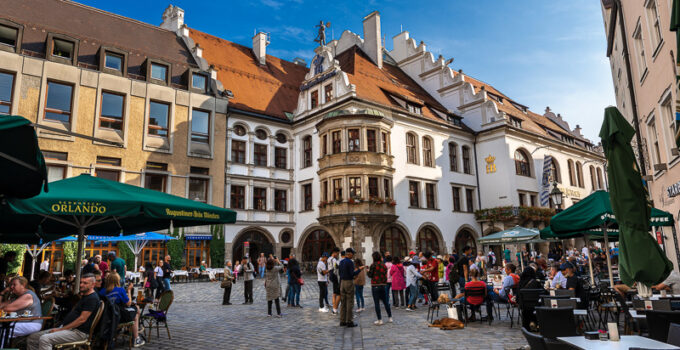
Most travel guides to Germany feel like they were written by someone who never missed a train. Efficient, structured, slightly obsessed with telling you what you “should” do. This one does the opposite.
Germany is not a checklist. It’s a series of moods. A train ride that changes tone every two hours. A place where Berlin feels unfinished, Hamburg feels restless, and Munich, somehow, feels like it has already made up its mind.
So instead of telling you where to go first, this guide leans into something simpler. How to notice what’s actually happening around you, and why Germany feels different depending on where you stand.
Stop Planning Germany Like It’s One Country
Source:shutterstock.com
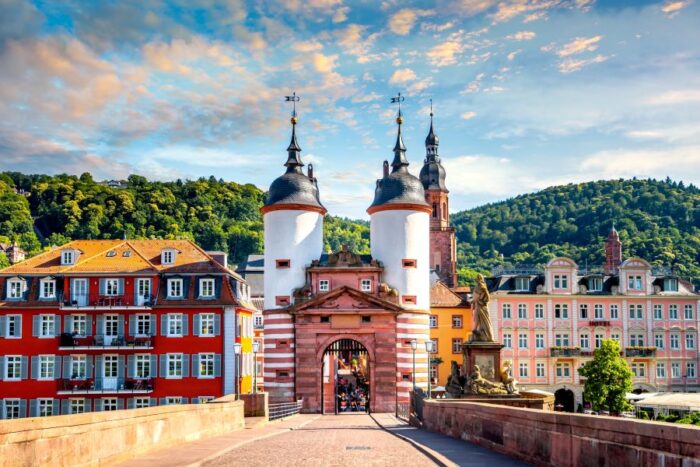
If you approach Germany as a single experience, you’ll miss the point. The country shifts more than most people expect, and not just visually.
In Bavaria, especially around Munich, things feel slower, more settled. People sit longer, conversations stretch, and the rhythm is less about productivity and more about continuity. Beer gardens are not just places to drink, but places to stay. That sense of ease is deeply rooted in local culture and daily life .
In contrast, cities like Berlin feel like they are still negotiating what they are. You don’t need to choose between them. Just stop trying to make them fit into one version of Germany.
Think of Germany less as a country and more as a sequence of different states of mind.
Munich Is Where the Rules Quietly Break
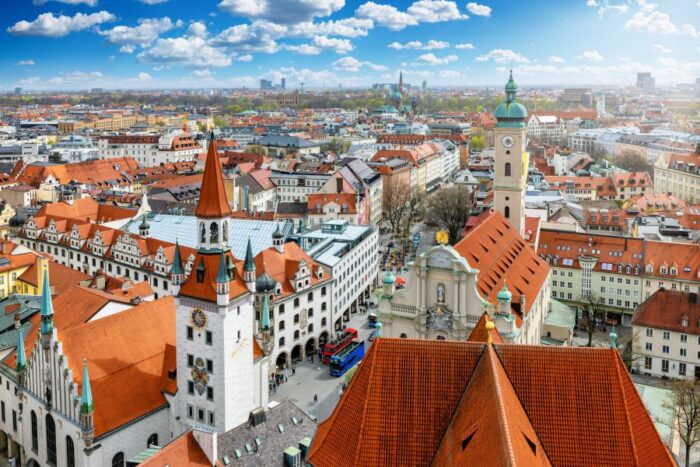
There’s something slightly strange about Munich, though it takes time to notice it. On the surface, everything looks orderly. Clean streets, historic buildings, efficient transport. Nothing feels out of place.
But then you realize the contradiction. It’s both deeply traditional and highly modern at the same time. The city carries centuries of history while functioning as a global, cosmopolitan hub with museums, parks, and a strong economy .
Even the lifestyle reflects this balance. People work hard, but they also step away from work easily. A beer garden afternoon doesn’t feel like a break. It feels like part of the system itself .
And that’s where Munich breaks the usual expectations. It doesn’t force you to choose between old and new. It just lets both exist.
A Small Detour That Says More Than You Expect
Source:shutterstock.com
There are moments in Munich that don’t show up in standard travel guides, the kind that change the way you understand the city. Sometimes that comes from conversations, sometimes from unexpected experiences.
It’s not unusual for travelers to explore the more private side of the city’s social scene, including services like Louisa Escort, which quietly reflect how Munich blends discretion, luxury, and human connection in ways that feel very different from other German cities.
It’s not about the service itself. It’s about understanding that Munich operates on a level of subtlety most places don’t advertise.
The Real Germany Happens Between Cities
If you only stay in major cities, you’ll see Germany, but you won’t feel it.
The space between places matters just as much. Small towns in Bavaria, lakes, forests, and roads that don’t seem to lead anywhere in particular. These are not side trips. They are part of the main experience.
Bavarian regions offer easy access to nature, from hiking trails to lakeside villages, creating a lifestyle that feels calmer and more grounded than urban Germany .
Here’s what starts to stand out when you slow down:
- Villages where time feels slightly delayed
- Cafés where no one rushes you out
- Landscapes that feel lived in, not curated
The mistake most people make is treating these as optional. They’re not.
How to Move Through Germany Without Rushing It
Germany’s transport system makes it easy to move quickly. That’s both a gift and a trap.
Munich alone has an extensive network of trains, trams, and buses that can take you almost anywhere without effort . But just because you can move fast doesn’t mean you should.
Here’s a simple way to rethink movement:
| Travel Style | What It Feels Like | What You Actually Experience |
| Fast itinerary | Efficient, controlled | You see landmarks |
| Slower pacing | Open, flexible | You notice behavior |
| Staying longer | Immersive | You understand atmosphere |
The difference is subtle but important. Germany rewards attention more than speed.
What Most Travel Guides Get Wrong
Most guides focus on landmarks. Castles, museums, famous squares. Those matter, but they’re not what stays with you.
Munich, for example, is often reduced to Oktoberfest or historic buildings. But the city is more about how those elements coexist. A place where you can walk from a baroque palace to a modern museum without feeling a shift in identity .
Even food tells this story. Bavarian cuisine is deeply tied to regional identity, with protected dishes and traditions that reflect local pride rather than trend .
Did you notice this?
Many German cities feel like they are still evolving. Munich feels like it has already decided what it is, and simply continues.
That quiet certainty is what makes it stand apart.
The Unwritten Rules You Should Actually Follow
Instead of memorizing etiquette lists, focus on how people behave. Germany is structured, but not rigid in the way people assume.
A few things become clear once you pay attention:
- Silence is normal, not awkward
- Efficiency is respected, but not always rushed
- Personal space is valued, but not cold
In Munich especially, there’s a balance between discipline and ease. You might see someone strictly following rules one moment, then spending hours relaxing in a park the next.
This duality is not a contradiction. It’s the system working as intended.
Why This Way of Traveling Stays With You
Source: turonworld.uz
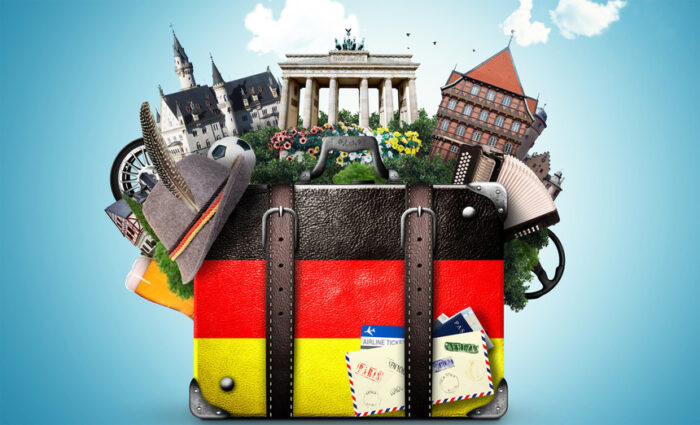
If you follow the usual travel advice, Germany will feel organized and impressive. If you ignore some of those rules, it starts to feel human.
You begin to notice things that don’t fit into categories. A city that feels finished but still alive. A culture that values both structure and leisure without conflict.
And Munich sits at the center of that realization. Not because it tries to stand out, but because it doesn’t try at all.
That’s the part most guides miss.
Germany isn’t something you complete. It’s something you gradually understand, often when you stop trying so hard to figure it out.
Table of Content